





Description
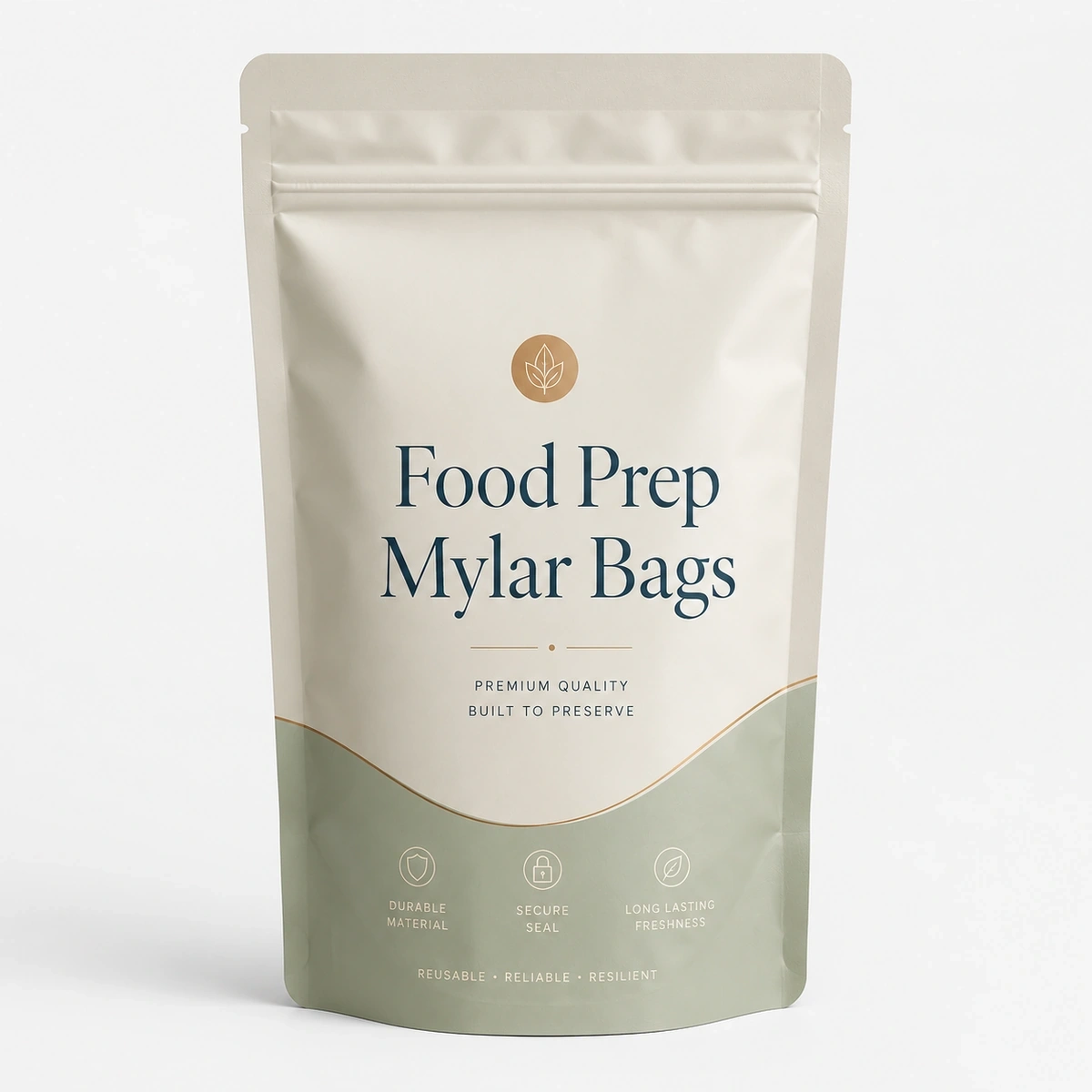
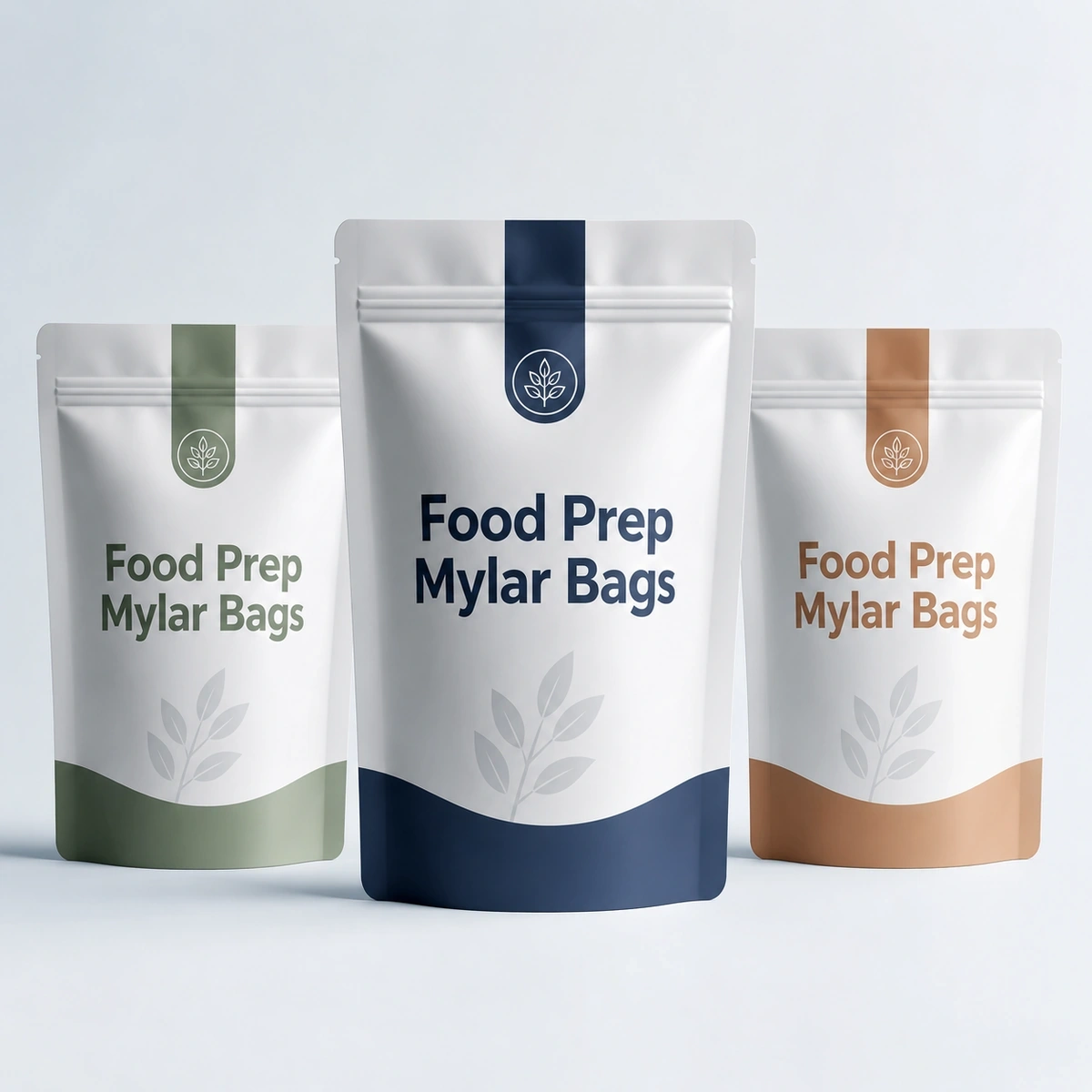
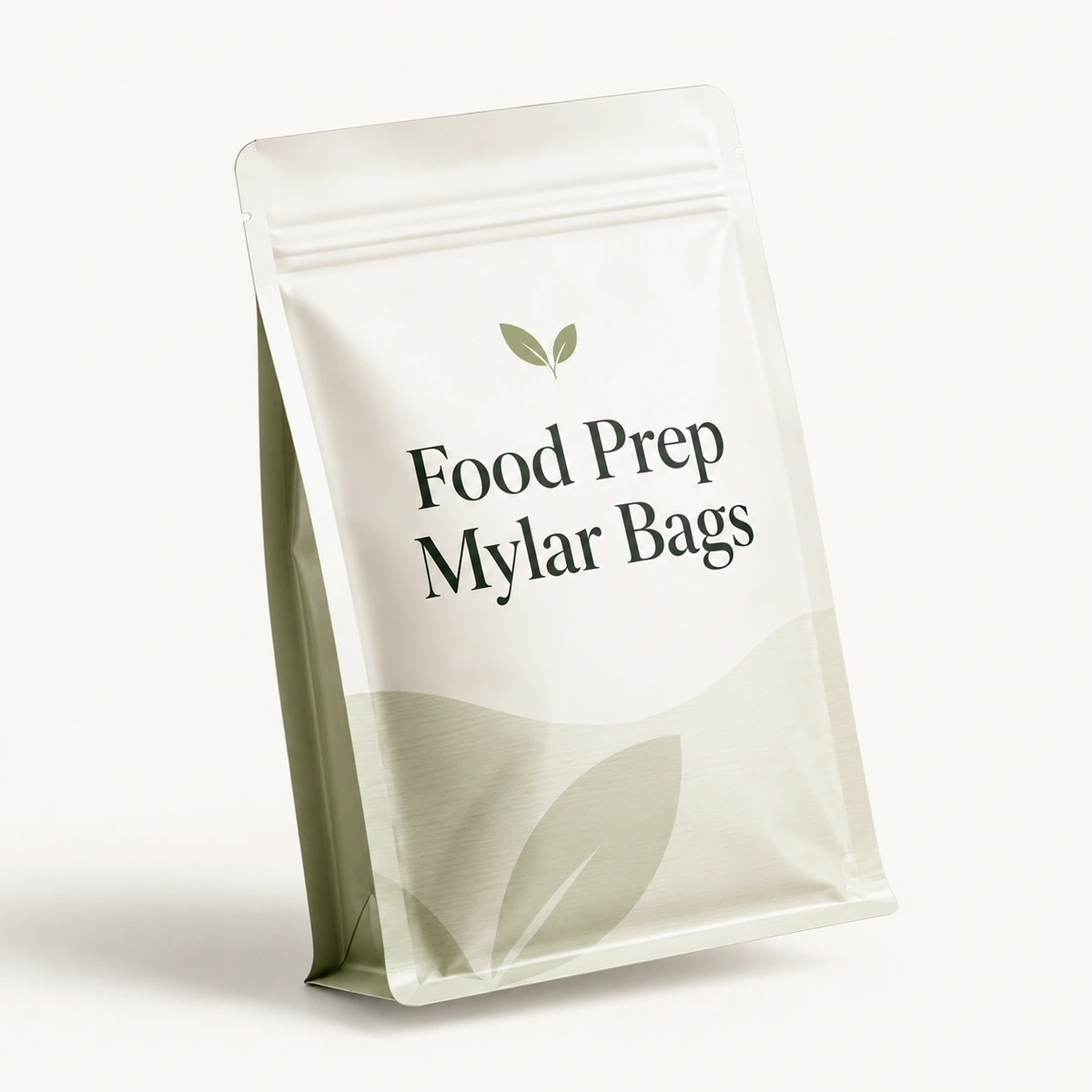
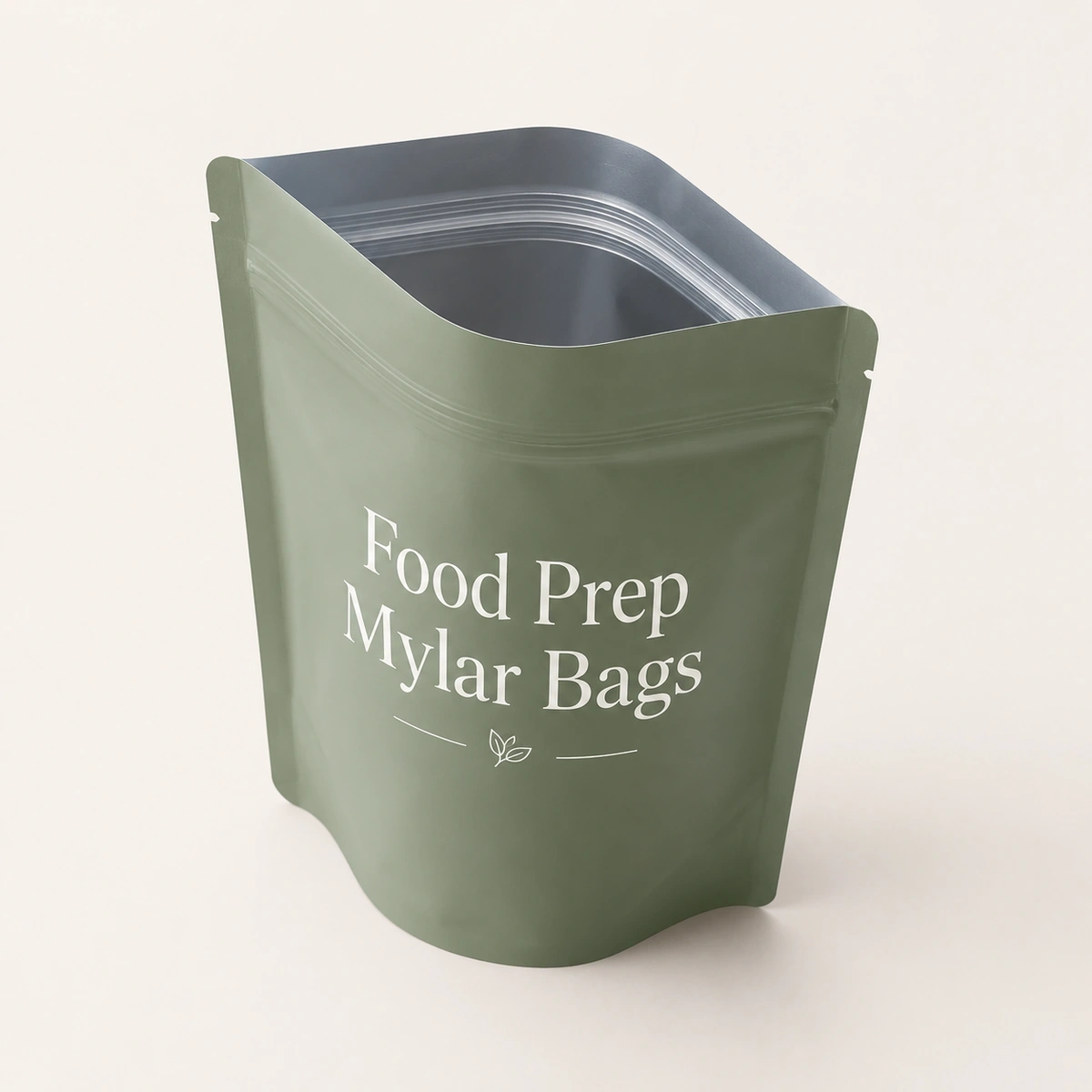
Food Prep Mylar Bags For Safe Meal And Pantry Storage
Overall, food prep mylar bags help keep dry ingredients, prepared meal portions, and pantry staples packed in a cleaner, more organized way. Because of this, home cooks, meal prep brands, emergency food sellers, and dry goods businesses all rely on this style of pouch to keep moisture, air, and outside handling away from what’s inside. In fact, a well-sealed pouch does more than hold food. As a result, it keeps flavor, texture, and shelf life intact from the day it’s packed to the day it’s opened.
Why Food Prep Mylar Bags Matter For Storage
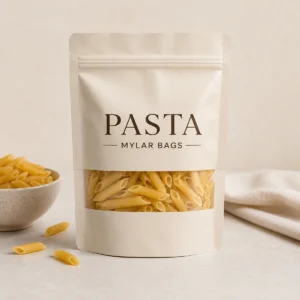
Generally, dry food breaks down fast once air and moisture get in. That’s why a food-safe pouch built with the right barrier film slows that process down, which matters whether you’re storing a week of meal prep or a year of pantry backup. For example, businesses packing grains, herbs, and pasta often reach for a stronger option like Pasta Mylar Bags since dry goods need a tighter seal than fresh produce or baked items. In addition, a thicker film stands up better to stacking, shipping, and repeated handling on a store shelf.
What These Pouches Are Typically Used For
- Dry food packing for weekly meal prep plans
- Also, pantry storage for grains, pasta, and legumes
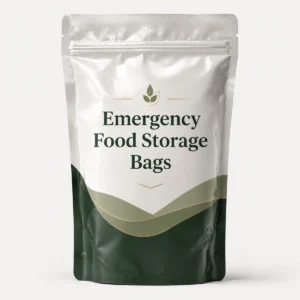
- In addition, emergency and long-term food storage
- Likewise, resealable pouches for repeat access
- Finally, small-batch packaging for food brands and home businesses
In addition, getting the packing process right matters just as much as the bag itself. So, most sellers follow a similar routine:
- First, pick a pouch size that matches the food portion, not the food group
- Next, fill the pouch without overpacking it, leaving room to seal cleanly
- Then, add oxygen absorbers for long-term dry storage
- After that, seal the top with heat or a zipper closure, depending on how often it’s opened
- Finally, store finished pouches in a cool, dry spot away from direct sunlight
| Feature | Benefit | Best Use |
|---|---|---|
| Food-grade film | Safer direct food contact | Dry food storage |
| Resealable closure | Allows repeated opening | Meal prep portions |
| Heat seal option | Adds a stronger, tamper-evident close | Long-term storage |
| Custom sizing | Matches different food weights | Retail and pantry use |
| Printable surface | Supports branding and labeling | Food packaging brands |
Pantry And Meal Prep Storage Made Simpler
Basically, reducing exposure to air and moisture is the whole point of switching from basic plastic to a proper barrier pouch. For this reason, brands packing dry goods in volume often browse the full Food Storage Mylar Bags category to compare sizes and closures side by side before ordering. As a result, it becomes easier to match pantry staples, meal kits, and retail-ready portions with a pouch built for that exact job, rather than picking one size for everything.
Matching The Pouch To The Product
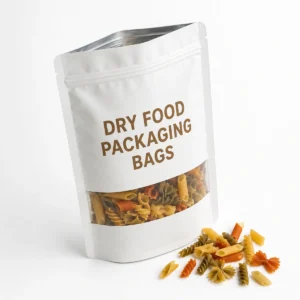
For instance, powders need a tight, dust-proof seal, while snack-size portions do better with a zipper that opens and closes without tearing. Meanwhile, whole grains and pasta benefit from a clear window so buyers can see what’s inside before they commit to a purchase. Overall, none of these are one-size-fits-all decisions, which is why closure style and film thickness usually come before color or print choices.
Best Options For Different Storage Needs
Overall, the right pouch depends on product weight, storage length, and how often the bag gets opened. So, popular formats include:
- Stand-up pouches for shelf display
- Also, flat pouches for compact, single-portion packing
- In addition, zipper pouches built for reuse after opening
- Likewise, heat seal pouches for dry ingredients that need a tamper-proof close
- Finally, printed pouches for retail-ready food brands
How To Pick The Right One
- First, check the food weight and volume you’re packing
- Next, choose a flat or stand-up profile based on shelf space
- Then, select zipper, tear notch, or heat seal closure
- Also, decide whether a clear window helps the sale
- Finally, add custom artwork if the product is going to retail
| Bag Option | Storage Purpose | Recommended For |
|---|---|---|
| Stand-up pouch | Shelf display | Retail food items |
| Flat pouch | Compact packing | Single portions |
| Zipper pouch | Reuse after opening | Meal prep foods |
| Heat seal pouch | Extra closure security | Dry storage |
| Window pouch | Product visibility | Pasta, grains, snacks |
Custom Packaging For Food Brands
Essentially, a professional pouch does two jobs at once. It protects what’s inside, and it tells the buyer what they’re getting before they even open it. Brands packaging meal kits, rice, pasta, snacks, or powders often turn to Premium Mylar Bags for food-safe pouches built with proper barrier protection and room for clear labeling, since a professional presentation builds trust before checkout. As a result, buyers feel more confident purchasing food packaged this way, especially when selling online where they never touch the product beforehand.
Custom Options Available
- Custom size and film thickness
- Also, matte, gloss, or soft-touch finish
- In addition, clear window placement
- Likewise, zipper or tear notch closure
- Finally, full color custom printing
| Custom Option | Purpose | Brand Benefit |
|---|---|---|
| Custom printing | Adds product and brand details | Stronger shelf identity |
| Clear window | Shows the food inside | Builds buyer trust |
| Zipper closure | Improves everyday access | Better customer experience |
| Barrier film | Protects dry food longer | Cleaner, longer storage |
| Bulk ordering | Supports larger production runs | Better per-unit pricing |
Ordering Food Storage Pouches In Bulk Or Small Batches
Buyers searching for where to source food-safe packaging usually want three things in one place: food-grade material, custom printing, and sizing that fits their exact product. In short, whether it’s a small test run or a full wholesale order, the steps stay roughly the same.
- First, share the bag size and quantity you need
- Next, confirm the food product and its approximate weight
- Then, choose finish, closure style, and film thickness
- After that, send your artwork, or ask for design support
- Finally, approve a final proof before production starts
What Comes Standard With Every Order
Design support, proof review, and free shipping within the USA come standard with most orders, so fast turnaround keeps meal prep brands from waiting on packaging during busy restock weeks. In addition, reorders skip the setup stage entirely, since the print file and sizing stay on record from the first run, which speeds up repeat purchases for brands that restock the same product every month.
Storing Food Correctly After Packing
Admittedly, packing the pouch correctly is only half the job. In fact, where and how the sealed pouch gets stored afterward affects shelf life just as much as the material it’s made from. For example, direct sunlight and heat both speed up the breakdown of oils in grains, nuts, and pasta, so a cool, dark pantry shelf works better than a spot near a stove or window. Similarly, bags stored flat rather than stacked tend to keep their seal intact longer, since constant pressure on a folded seam can wear it down over time.
How Long A Sealed Pouch Actually Lasts
Buyers new to long-term dry storage often ask how long a sealed pouch actually lasts. Generally, that depends on the food type, the oxygen absorber used, and how well the seal was made in the first place. For instance, rice and beans can often last years in a properly sealed pouch stored away from light, while ground grains and nuts tend to have a shorter window because natural oils break down faster.
Better Food Storage Starts With The Right Pouch
Overall, food prep pouches are a practical choice for pantry packing, meal prep portions, and dry goods brands that need packaging to hold up over time. So, picking the right size, closure, film thickness, and print setup makes daily food prep and professional food packaging equally easy to manage.




Reviews
There are no reviews yet.