






Description
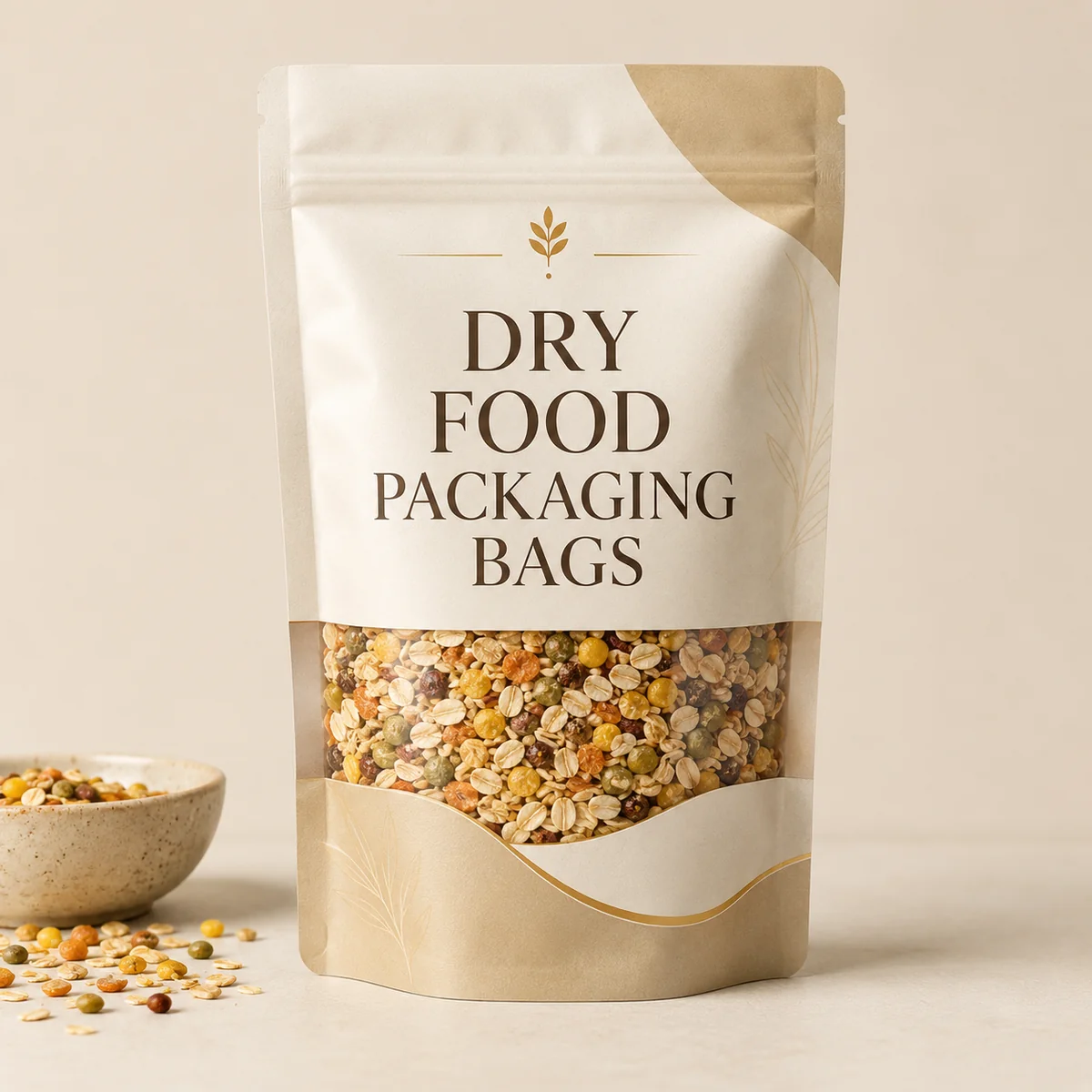
Dry Food Packaging Bags For Reliable Storage
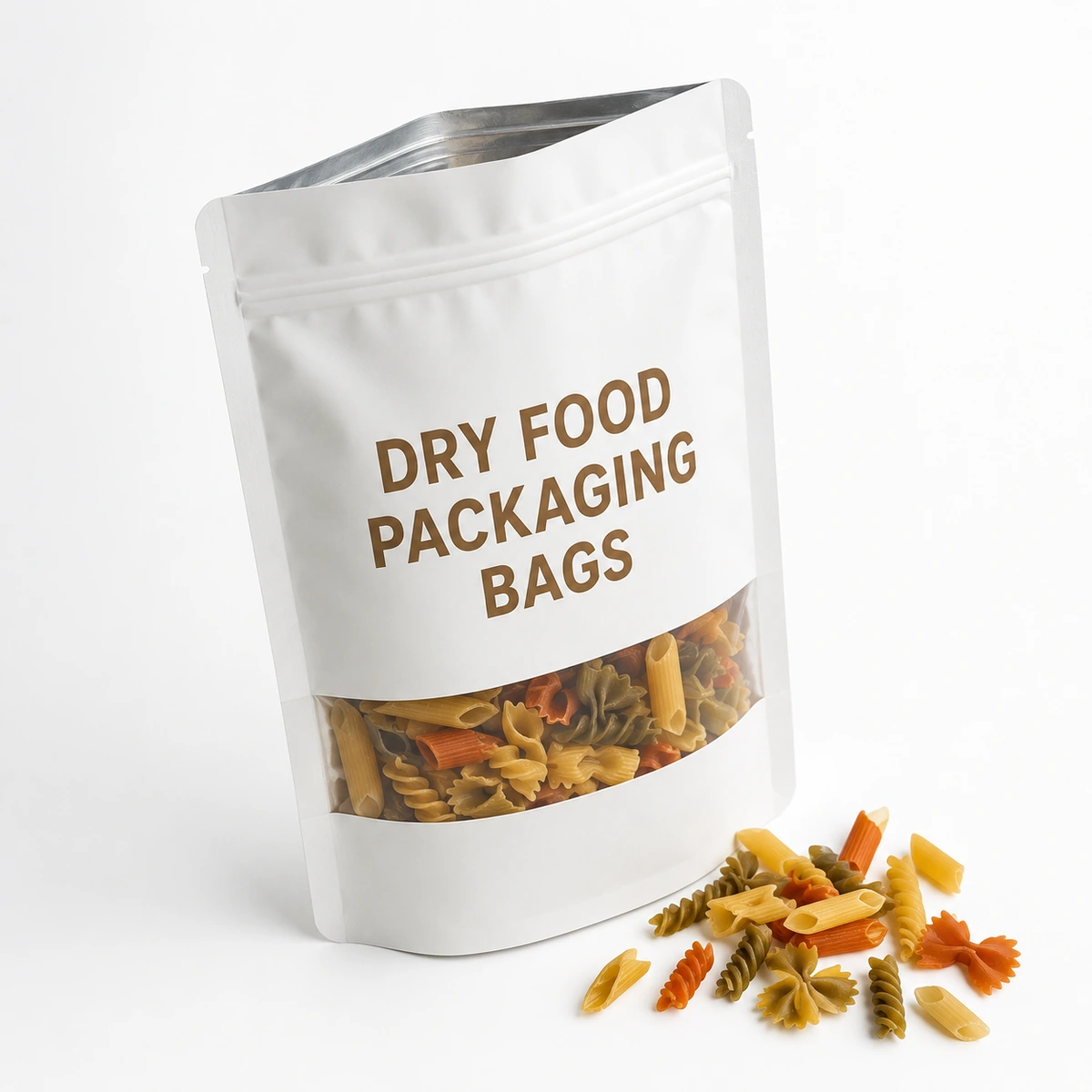
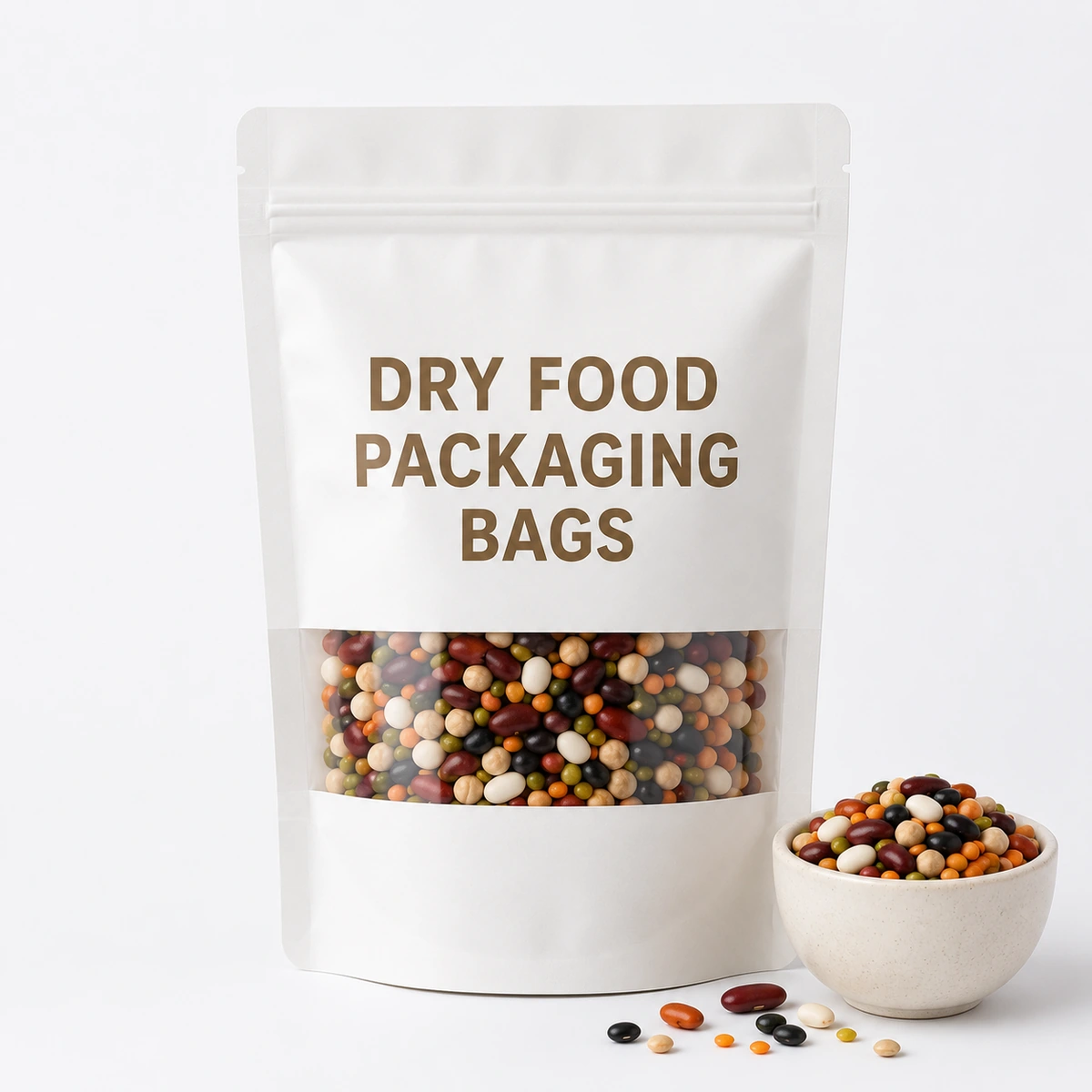
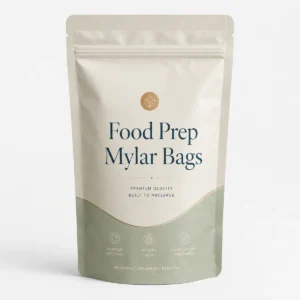
Dry food packaging bags keep grains, pasta, powders, and other shelf-stable staples protected from air, moisture, and light. Because of this, households, meal prep brands, and bulk food sellers all reach for a proper barrier pouch instead of basic plastic when freshness actually matters. So, whether you’re packing a week of meal prep or a full year of pantry backup, the right bag changes how long that food actually stays usable.
Why Dry Food Packaging Bags Matter For Freshness
Regular bags let in small amounts of air and moisture over time, and that’s enough to break down grains, powders, and dried goods long before their expected shelf life runs out. In addition, a proper barrier pouch slows that process down considerably, which matters whether you’re storing rice, pasta, dehydrated meals, or bulk spices. For instance, buyers packing whole grains for long-term storage often pair a standard dry food bag with Rice Mylar Bags for the added strength that bulkier or heavier ingredients need, since a single layer of plastic can’t hold up the same way over months of storage.
What Makes A Bag Suited For Dry Food Storage
Thickness, seal quality, and closure type matter more here than they do for everyday snack bags. So, a bag meant for a single meal portion and a bag meant for a year of pantry storage aren’t interchangeable, even if they look similar on the shelf.
Key Features To Look For
Before choosing a bag, it helps to check a few things first:
- A food-grade barrier film that blocks light and moisture
- A tight, dependable seal that holds up over time
- Oxygen absorber compatibility for long-term dry storage
- Enough size range to fit powders, grains, and pasta
- A shape that stacks or stands well in a pantry or storage area
Overall, getting the packing process right comes down to following the same basic steps every time:
- First, pick a bag size that matches the amount of food you’re packing
- Next, fill the bag without overpacking it, so you leave room for a clean seal
- Then, add an oxygen absorber if you’re storing the food long-term
- After that, press out excess air before sealing
- Finally, seal the top completely and store the bag in a cool, dry spot
| Feature | Benefit | Best Use |
|---|---|---|
| Food-grade film | Supports safe direct food contact | Dry food storage |
| Heat seal closure | Creates a strong, tamper-evident seal | Long-term staples |
| Resealable closure | Allows repeated opening | Meal prep and everyday use |
| Custom sizing | Matches different batch sizes | Household and bulk storage |
| Printable surface | Supports branding and labeling | Food packaging brands |
Dry Food Packaging Bags Wholesale For Bulk Orders
Buyers searching for dry food packaging bags wholesale usually want three things in one place, which are food-grade material, consistent sizing, and a seal built to last. Because of this, ordering in bulk only makes sense if every bag in the batch holds up the same way, since a handful of weak seals can ruin an entire packing run.
How To Choose Between Standard And Bulk Orders
Deciding between a small batch and a full wholesale order usually comes down to a few questions:
- How much food or product needs sealing right now
- Whether you’re packing for personal use or a retail product
- How often you’ll reorder the same size and print setup
- Whether custom branding needs to stay consistent across units
So, most buyers work through the same basic process before confirming an order:
- First, decide roughly how much volume needs packing
- Next, choose a size and thickness that matches the food type
- Then, pick a closure style based on how often the bag gets opened
- Also, decide if custom printing is needed for branding
- Finally, request a sample before committing to the full wholesale quantity
| Order Type | Best For | Typical Turnaround |
|---|---|---|
| Small test batch | First-time buyers, trial runs | Standard |
| Mid-size bulk order | Small businesses, seasonal packing | Standard to expedited |
| Full wholesale order | Established brands, large-scale storage | Expedited available |
| Custom printed order | Retail-ready branding | Standard, depends on artwork |
Custom Dry Food Packaging Bags For Brands
Brands packing rice, pasta, snacks, or powders need more than a plain pouch. Because a professional bag does two jobs at once, protecting the food and telling the buyer what’s inside, many brands turn to the Food Storage Mylar Bags lineup to compare sizing and closure options side by side before settling on a final print run. Custom printing and clear labeling matter just as much as the barrier film underneath, since matching size, thickness, and closure style up front saves time later in the process.
Custom Options Available
- Custom size and film thickness
- Matte, gloss, or clear finish
- Clear window placement for product visibility
- Zipper, tear notch, or full heat seal closure
- Full color custom printing for brand identity
Dry Food Storage Bags Versus Everyday Sealable Bags
Dry food storage bags differ from the everyday resealable pouches used for snacks or leftovers. Basically, everyday pouches only need to hold up for a few weeks, so manufacturers make the film thinner and the seal lighter by design. Meanwhile, dry food bags built for longer storage use a heavier film and a more dependable seal, since they’re meant to protect food for months or years rather than days.
Matching Bag Choice To Storage Length
A short-term pouch works fine for food you’ll eat within a few weeks. However, bulk dry food packaging bags need a heavier film and usually an oxygen absorber to protect ingredients over several months or longer.
| Storage Length | Recommended Bag Type | Oxygen Absorber Needed |
|---|---|---|
| Under 1 month | Standard resealable pouch | Not needed |
| 1 to 6 months | Heat seal dry food bag | Recommended |
| 6 to 12 months | Thicker dry food mylar bag | Recommended |
| 12+ months | Full barrier film, complete seal | Required |
Dry Food Mylar Bags And Dry Food Pouch Packaging Options
Dry food mylar bags and standard dry food pouch packaging both serve dry goods, but they’re not always built the same way. A mylar-based bag adds a stronger barrier against light and oxygen, which extends shelf life well beyond what a plain plastic pouch can manage. So, buyers packing anything meant to last more than a few weeks tend to lean toward a mylar option, while short-term or single-use packing works fine with a simpler dry food plastic bag.
Where To Source Dry Food Sealed Bags
Sourcing reliable packaging shouldn’t mean juggling multiple suppliers for size, print, and bulk pricing. Premium Mylar Bags gives buyers one place to handle sizing, printing, and wholesale quantities together, so sizing and print files stay consistent from the first order through every reorder that follows.
How To Choose The Right Dry Food Bag
Choosing the right bag usually comes down to matching the pouch to what’s going inside and how long it needs to last. For instance, powders need a tighter, dust-proof seal, while whole grains and pasta do better with a bit of extra room for oxygen absorbers. Meanwhile, products headed to a store shelf benefit from a clear window or printed panel, while personal pantry storage usually prioritizes thickness and seal strength over appearance.
How Long Does Dry Food Storage Actually Last
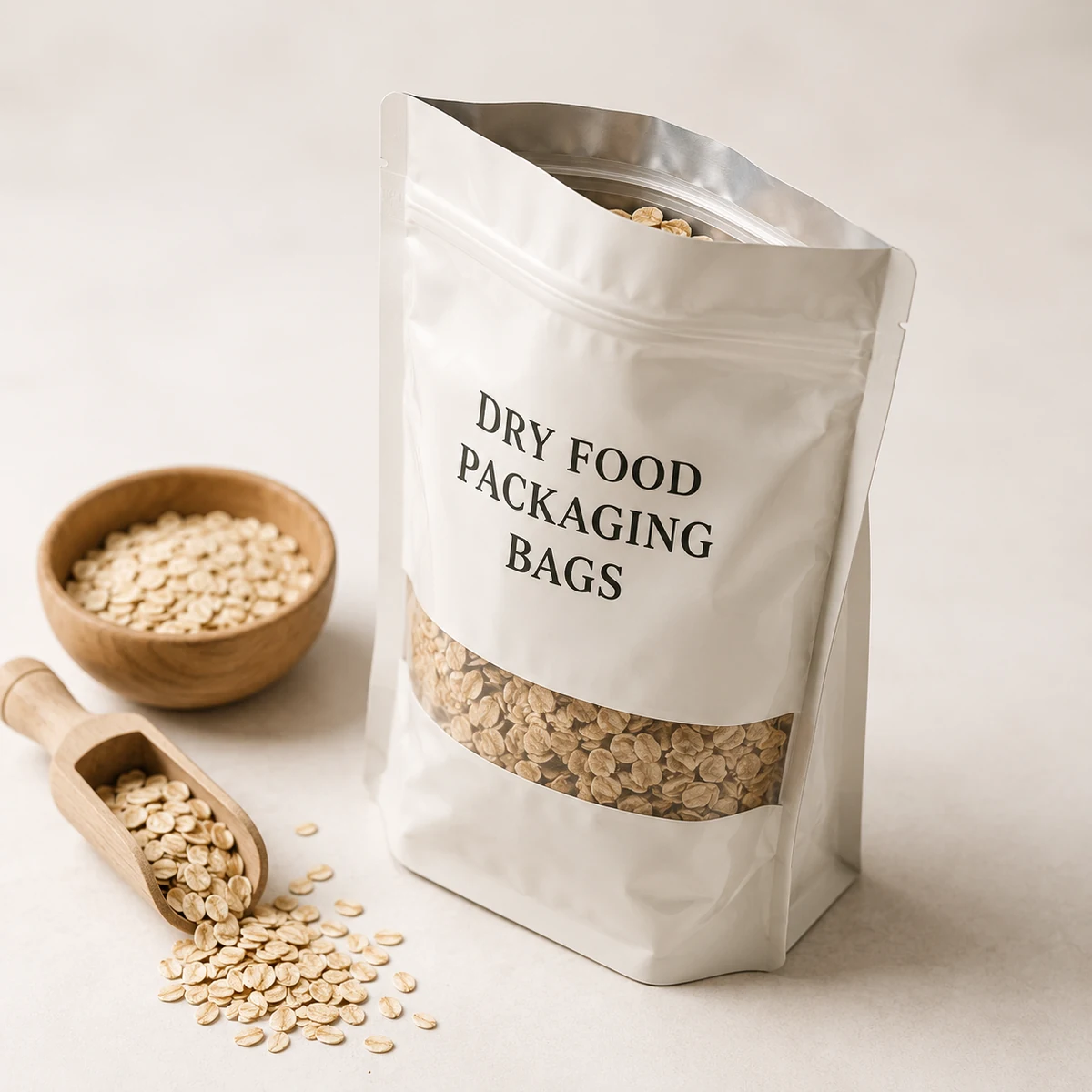
Buyers new to dry food storage often ask how long a sealed bag actually keeps food usable. Generally, that depends on the food type, whether you used an oxygen absorber, and how well you made the seal in the first place. For instance, rice, pasta, and dried beans can often last a year or more in a properly sealed bag stored in a cool, dark space, while items with natural oils, like nuts or oats, tend to have a shorter window since those oils break down faster regardless of the packaging.
Storage location matters almost as much as the bag itself. A cool, dry pantry shelf works far better than a spot near a stove or window, since heat and light both speed up spoilage inside the bag.
Order Your Dry Food Packaging Bags Today
We offer custom sizes, matte and gloss finish options, free design support, free shipping, and fast turnaround on every wholesale and custom order. So, share the bag size, quantity, and food type, and get a sample proof back within days.





Reviews
There are no reviews yet.