





Description
Packaging Built to Protect Aroma and Roast Quality
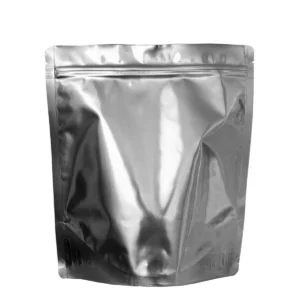
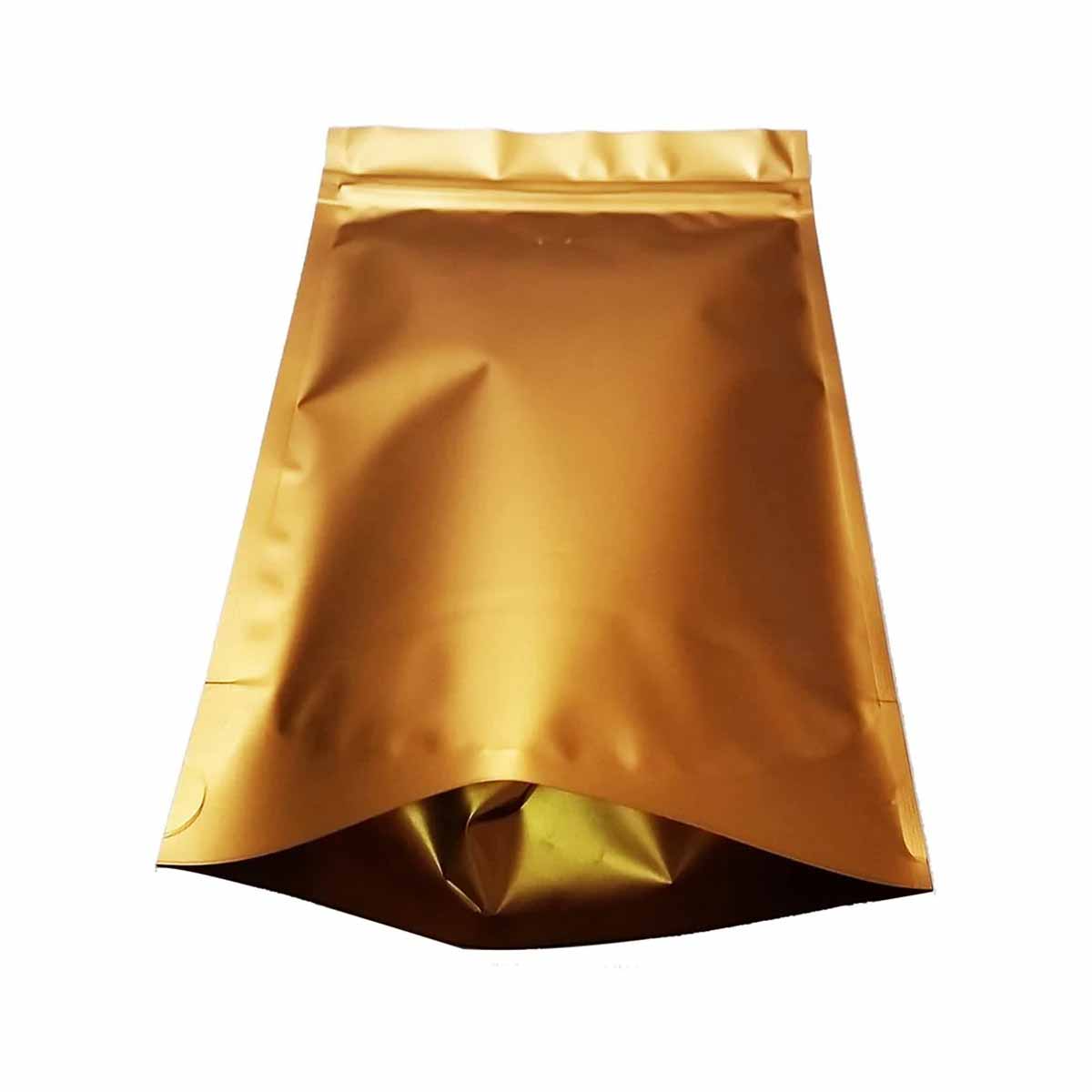
Coffee needs packaging that locks in aroma, protects roast quality, and looks good on the shelf. Our coffee mylar bags are designed for roasters, cafés, and e-commerce sellers who want consistent results with every batch. Heat-seal reliability, barrier performance, and smooth print surfaces come standard. Keywords up front for search intent coverage include Coffee mylar bags for food storage and Coffee mylar bags bulk so buyers can find the exact format they need.
6 Mil Mylar Bags offer heavy-duty thickness for higher grease resistance and longer storage windows. If you roast oily dark profiles or ship internationally, the extra gauge adds confidence without making sealing difficult. You can still print clean graphics and add a degassing valve for fresh roast releases.
Built To Preserve Roast Quality
Roasted beans release CO₂ and carry delicate aromatics. Barrier layers in coffee pouches keep oxygen and moisture out so flavor doesn’t fade early. A vented one-way valve lets gas escape after sealing, preventing puffy bags or panel stretch. Short sentences. Clear benefits. Real-world results.
Why Barrier Matters
Oxygen exposure stales coffee. Moisture swings break cell structure. Light degrades aromatics. A purpose-built laminate controls these variables with:
- High oxygen barrier to slow staling
- Moisture barrier to protect delicate oils
- Light shield for display shelves
- Heat-seal compatibility for clean, fast closing
Airtight seams plus a valve give the best of both worlds. Gas out. Air not in.
Coffee Mylar Bags For Food Storage
Roasters, meal-prep vendors, and pantry brands often ask if coffee pouches work for pantry items. Yes, when sized and sealed correctly. The same barrier that protects beans also supports items like cocoa powder or nuts. Label clearly to avoid mixups and choose a zipper if you expect repeated opening.
Formats And Closures
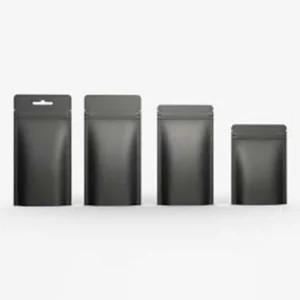
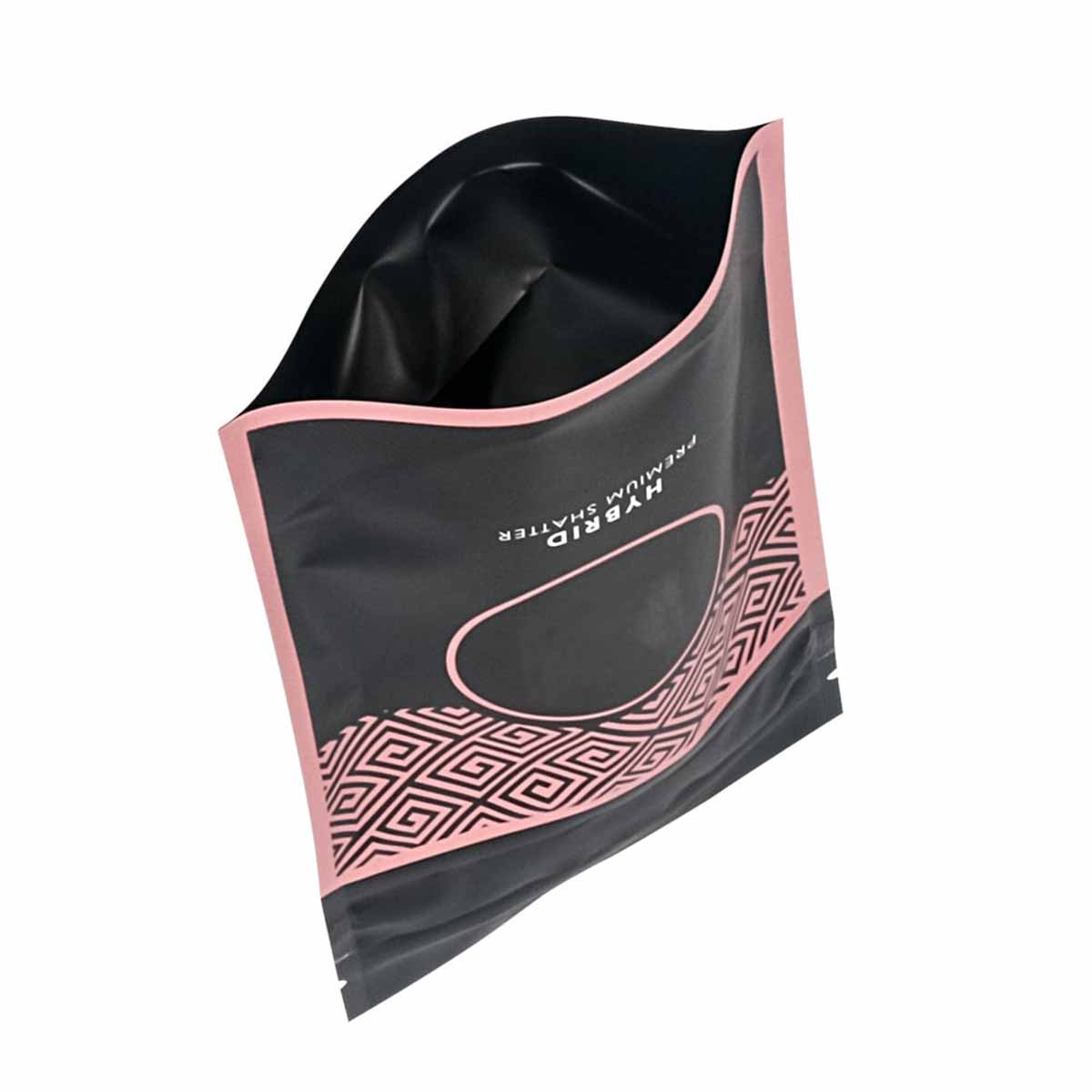
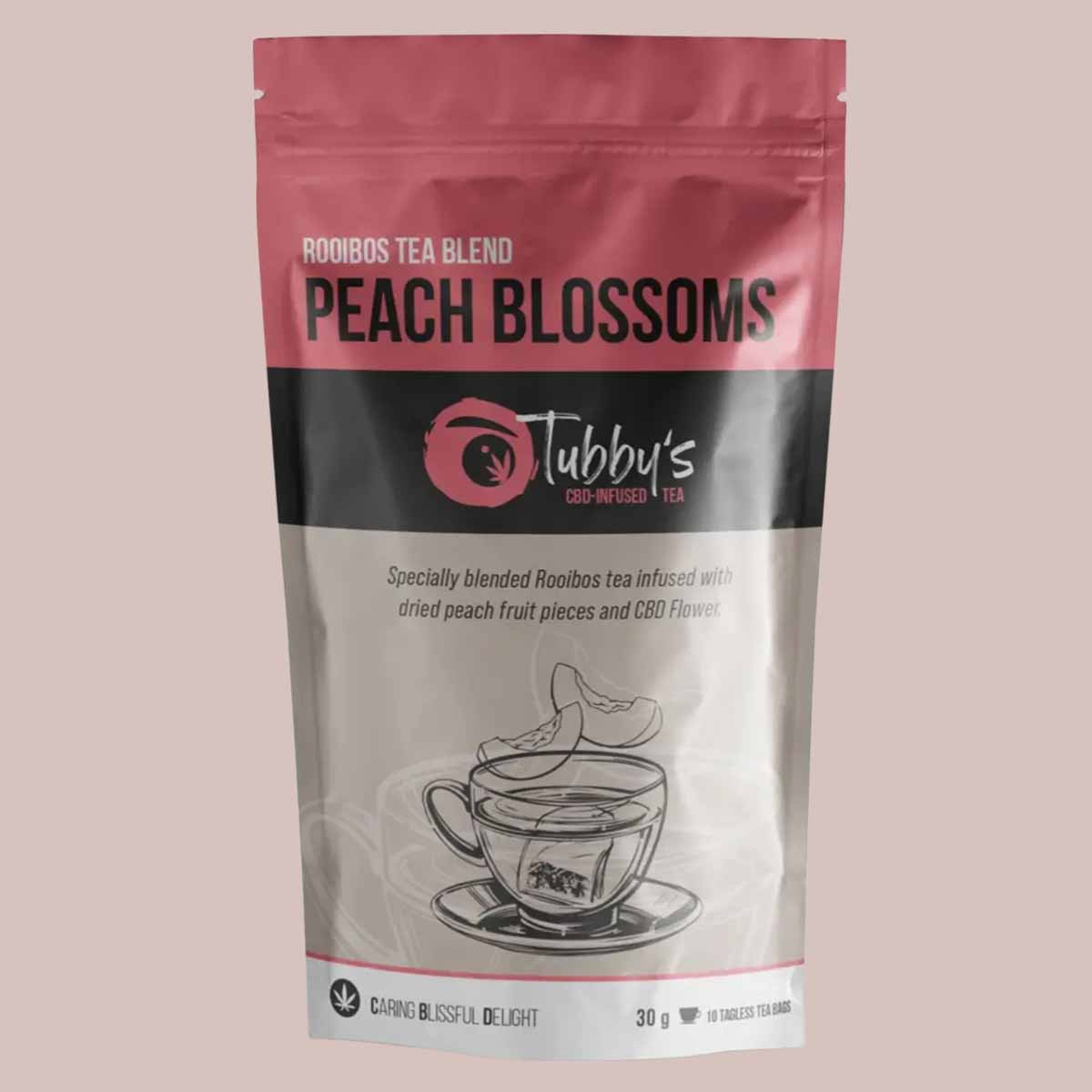
Different products need different pouch formats. Some products need a flat pouch for small portions. Some need a stand up pouch for better shelf placement. Other products need a window style so buyers can see part of the contents. The right format depends on product weight, storage need, filling method, and how customers will open the bag.
Common Formats For 6 Mil Mylar Bags
6 mil mylar bags can be made in several formats. Flat pouches work well for samples and compact products. Stand up pouches give more room and better shelf display. Window pouches show part of the product while keeping printed areas clean.
Useful format options include:
- Flat pouches for small packs
- Stand up pouches for shelf display
- Window pouches for product view
- Opaque pouches for light control
- Kraft style pouches for natural products
- Large pouches for bulk storage
- Small pouches for sample packs
Bottom gusset pouches for more fill space
- Choose flat pouches for small or slim products.
- Choose stand up pouches for display needs.
- Choose window pouches when product view matters.
- Choose opaque film for light sensitive items.
- Choose large pouches for bulk storage.
| Format Option | Best Use | Product Match | Closure Choice | Helpful Note |
|---|---|---|---|---|
| Flat Pouch | Small portions | Samples and dry goods | Heat seal | Saves storage space |
| Stand Up Pouch | Shelf display | Snacks and pantry goods | Zipper or seal | Holds more product |
| Window Pouch | Product view | Cereal and snacks | Zipper or seal | Plan window early |
| Opaque Pouch | Light control | Tea, coffee, powders | Heat seal | Good for longer storage |
| Bottom Gusset Pouch | Larger fill | Bulk products | Zipper | Gives more room |
Closure Choices For Product Use
Closure choice affects how customers open, store, and reuse the pouch. Heat seal closure works well for products that need closed storage before opening. Zipper closure works better when customers may open and close the bag more than once.
Closure options include:
- Heat seal top for closed packing
- Zipper closure for repeated opening
- Tear notch for easy first opening
- Hang hole for display use
- Child resistant closure where needed
- Wide top seal for stronger closing
- Valve option for selected products
Rounded corners for safer handling
- Choose heat seal for single use packs.
- Choose zipper for repeated use packs.
- Add tear notch for easier opening.
- Add hang hole for hanging display.
- Keep enough top space for sealing.
| Closure Type | Best Use | Product Match | Customer Use | Helpful Detail |
|---|---|---|---|---|
| Heat Seal | Closed storage | Pantry goods and dry foods | Opens once | Needs top seal space |
| Zipper | Repeated opening | Coffee, snacks, cereal | Opens and closes | Add heat seal above it |
| Tear Notch | First opening | Most pouch types | Easier opening | Place above zipper |
| Hang Hole | Display use | Small pouches | Hangs on hooks | Keep top area clear |
| Wide Seal | Bulk packs | Large 6 mil bags | Stronger closing | Avoid overfilling |
Barrier and freshness guide
| Feature | What it Does | Why it Helps Coffee |
|---|---|---|
| Oxygen Barrier | Creates a tight seal that prevents oxygen from entering the package. | Oxygen causes oxidation, which leads to stale flavors. A strong oxygen barrier preserves brightness, sweetness, and overall freshness of roasted beans. |
| Moisture Barrier | Controls humidity and prevents water ingress. | Coffee beans and grounds easily absorb moisture, leading to sogginess, mold, and degradation. A moisture barrier extends shelf life and maintains texture. |
| Light Shield | Blocks harmful UV rays and visible light from penetrating packaging. | Light exposure breaks down volatile aromatic compounds. Shielding coffee preserves natural oils, flavor notes, and aroma. |
| Heat-Seal Film | Provides strong, leak-proof seams that bond under heat. | Prevents accidental spillage during transit and ensures airtight freshness after packaging. Essential for long-distance shipping. |
| Degassing Valve (optional) | Allows CO₂ from freshly roasted coffee to escape without letting oxygen in. | Protects bag integrity while ensuring beans stay fresh. Prevents bloating, bursting, and maintains optimal roasting profile. |
| High-Barrier Laminates | Multi-layer film structure combining foil, PET, and other polymers. | Maximizes protection against all elements (oxygen, moisture, and light). Extends storage life for months without quality loss. |
| Resealable Zippers | Adds a user-friendly opening/closing system. | Keeps opened coffee fresh for daily use by minimizing oxygen exposure after first opening. |
| Anti-Static Inner Layer | Reduces clinging of fine coffee grounds inside the bag. | Improves user experience by preventing mess, especially important for ground coffee packaging. |
Choose the Ideal Valve System for Coffee Aroma Retention
Pair barrier with a one-way valve for fresh-roasted bags. For longer storage, nitrogen flushing can further reduce residual oxygen, helping to lock in aroma and extend product shelf life.
Mid-paragraph reference to category options helps shoppers decide format before they design artwork. You can explore sizes, valves, and closures under Specialized Mylar Bags to match roast style, portion size, and retail planograms. These specialized options are ideal for coffee roasters, tea brands, and snack producers who want a high-barrier solution that balances protection with presentation. The range includes flat pouches, stand-up pouches, and gusseted bags—all tested for sealing integrity, oxygen transmission rate, and moisture resistance.
Printing and finishes that support your brand
A clean print face makes product families clear on the shelf. Use color bands for roast level, icons for processing method, and QR codes for origin stories. Keep a scan-friendly zone for UPC and GS1 data. Mark the seal area so staff never label over it.
Finish choices and typical uses
- Gloss for vibrant color blocks and bold photography
- Matte for a soft, modern look that photographs well
- Spot UV to highlight logos or origin stamps
- Metallic accents for limited releases or single-origin features
Inside-out printing adds surprise when customers open the pouch. A small flavor-note panel near the zipper guides brewing at a glance.
Ordering, volumes, and timelines
| Order Size | Typical Lead Time | Details & Notes | Add-ons & Features | Usage/Application |
|---|---|---|---|---|
| 100 – 1,000 Units | 6 – 9 business days | Small to medium orders handled quickly. Perfect for pilot runs, seasonal launches, or local promotions. | Fast digital printing Flexible customization Sample proofs available |
Ideal for startups, bakeries, cafés, food stalls, and limited seasonal pizza menus. |
| 1,000 – 5,000 Units | 9 – 12 business days | Best balance between cost and flexibility. Allows for bulk pricing without long wait times. | Offset printing Spot UV or foil upgrades Eco-friendly coating options |
Suitable for growing pizzerias, catering events, small franchise orders. |
| 5,000+ Units | 12 – 15 business days | Bulk production optimized for palletized freight. Significant cost savings at scale. | Palletized freight shipping Large-scale custom inserts Brand consistency |
Best for distributors, wholesalers, and large chain restaurants with high demand. |
Artwork checks and press proofs help avoid reprints. Keep key text away from zipper welds and tear notches. Leave 3–5 mm safe margin.
Reliable supply supports subscription drops, wholesale deliveries, and café restocks without rush fees. Plan a reorder point based on weekly fills.
Filling workflow and sealing tips
Premium Mylar Bags play a key role in packaging routines where efficiency and product safety matter most. A good filling and sealing routine saves time and reduces product loss. Simple practices make the difference between rework and smooth shipping.
Efficiency matters on a packing bench. Good layout shortens cycle time and reduces waste.
Premium Mylar Bags support this workflow by offering durable films, reliable seals, and options like valves and zippers that fit into both manual and automated systems.
Bench layout basics
- Place filled bags to your dominant side of the scale
- Keep valves facing forward for quick QC
- Wipe seal areas if oils touch the film
- Seal once with steady pressure and consistent dwell
- Check three seams per case for smooth bead and no tunnels
If you ship ground coffee, add a zipper. If you ship whole bean with quick turnover, you can skip it for price and weight savings.
Labeling and compliance points
Clear, readable labels prevent returns and speed checkout. Keep typography strong at small sizes.
What to include on the front and back
- Brand, roast name, and weight
- Roast date with readable format
- Origin and processing method if claimed
- Brew tips or grind suggestions
- Storage note away from heat and light
If you export, align net weight units and any required language panels per destination.
Everyday storage and shelf life
Cool, dark storage keeps beans lively. Avoid direct sun in windows or hot back rooms. Train staff to rotate by roast date, not by arrival date.
Home storage tips to share with customers
- Reseal the zipper after each use
- Keep in a cupboard away from the oven
- Avoid large clear containers on counters
- Grind right before brewing for the best cup