





Description
Eco Friendly Mylar Bags Wholesale With Custom Sizes And Printing
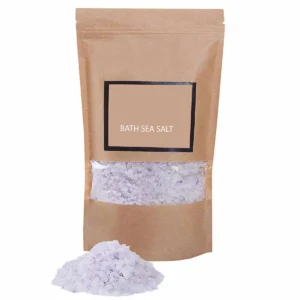
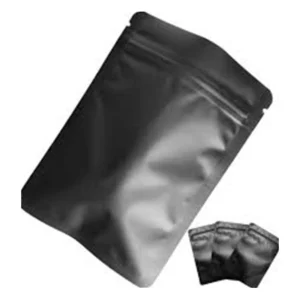
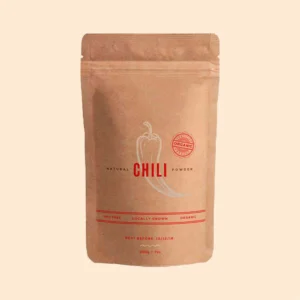
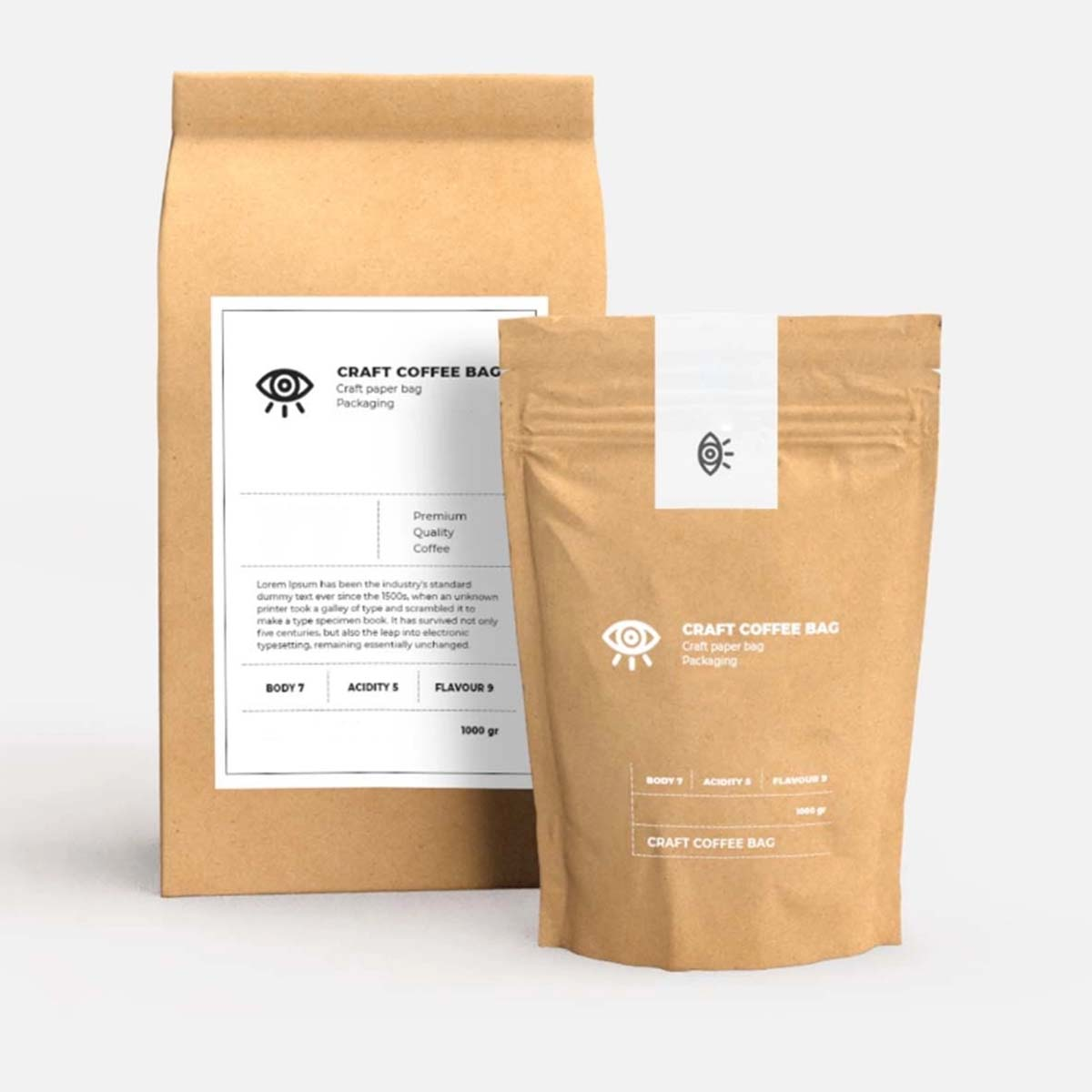
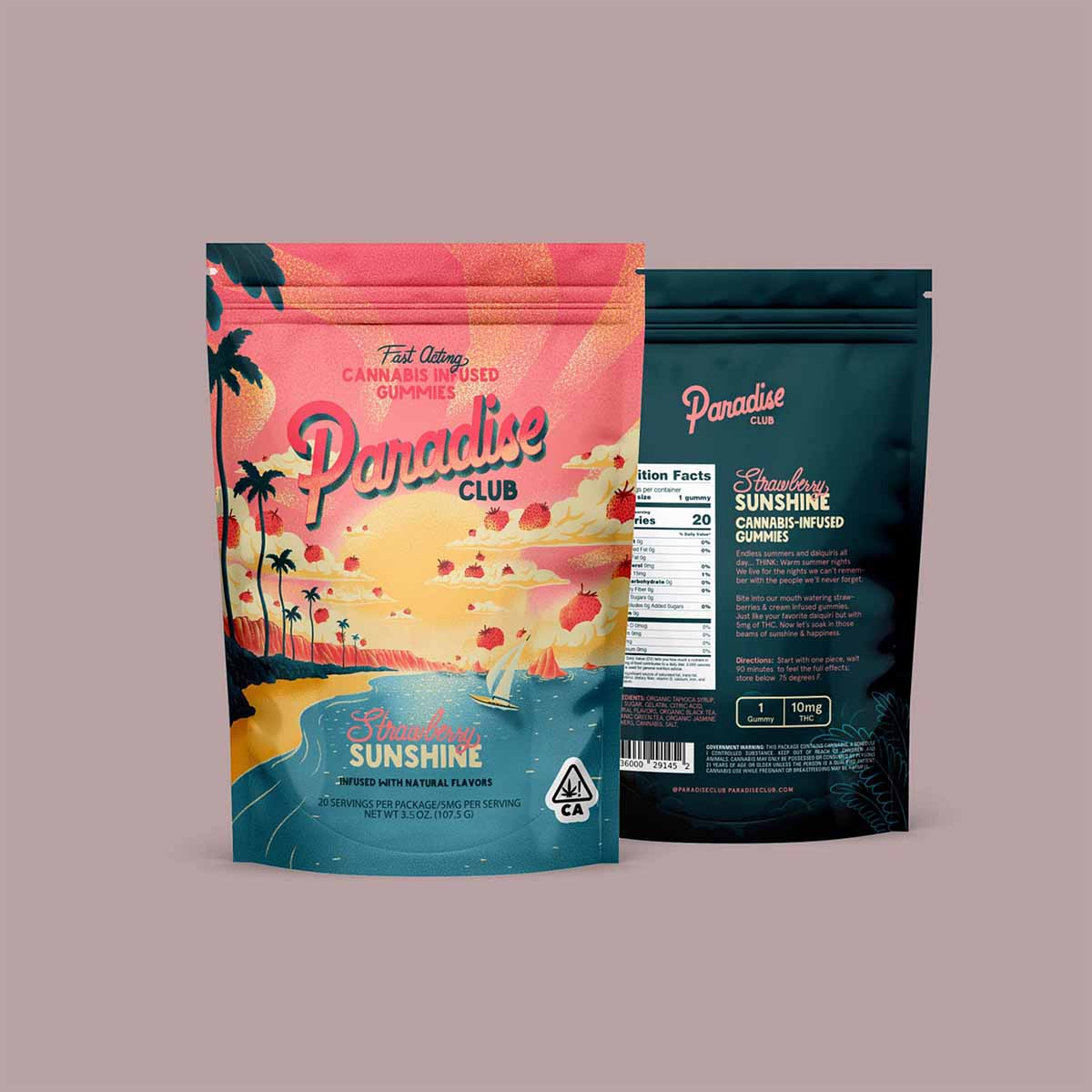
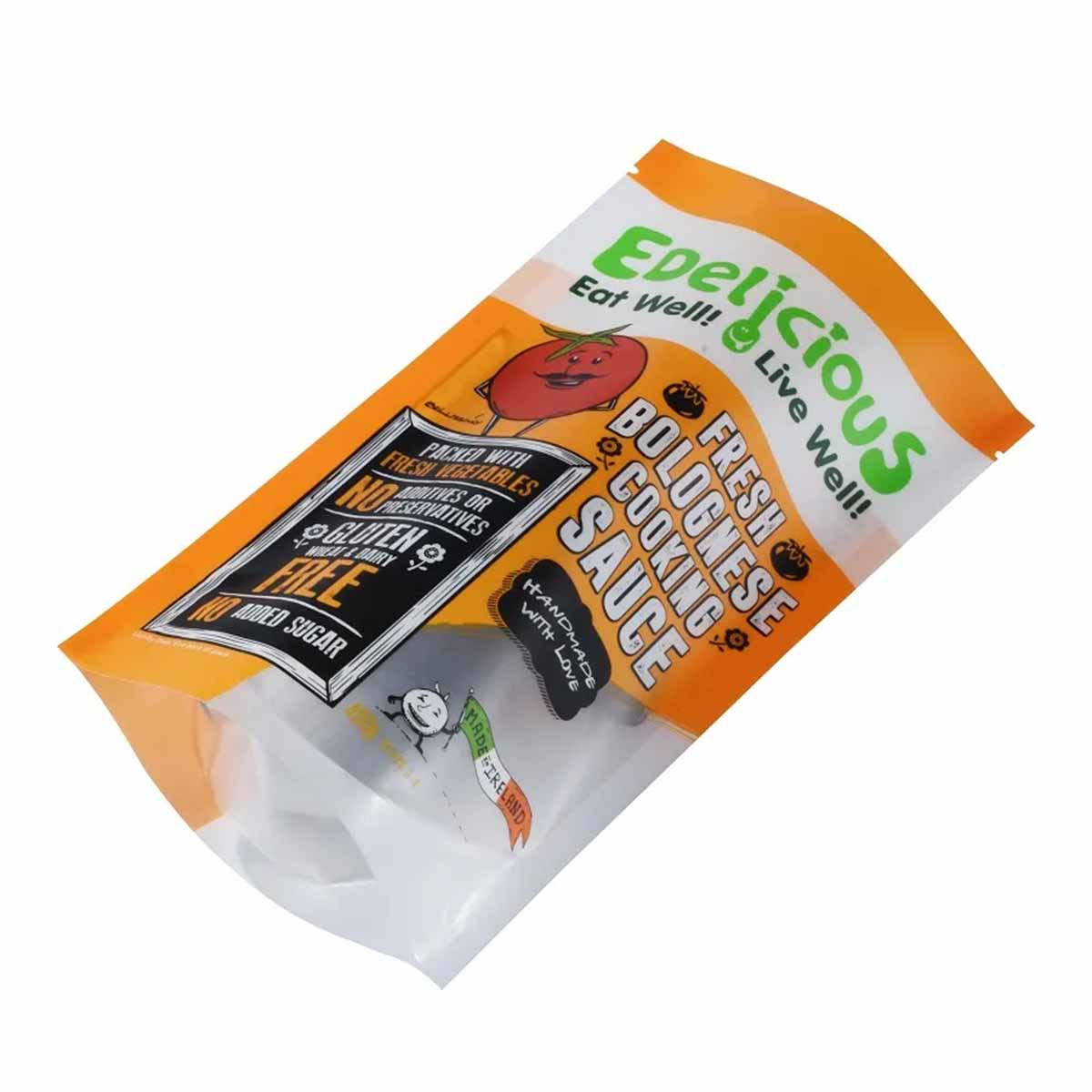
Eco Friendly Mylar Bags support fresh goods, dry items, and product lines that need cleaner packaging choices. At Premium Mylar Bags, we produce eco friendly mylar bags for food with custom sizes, strong seals, and clear printing. These bags can support snacks, cereal, tea, coffee, bakery toppings, herbal blends, pantry refills, and small product kits.
Many buyers search for eco friendly mylar bags wholesale, eco friendly mylar bags nearby, or best eco friendly mylar bags when they need practical pouch options with barrier support. Empty cereal mylar bags are also useful for flakes, granola, trail mixes, and dry pantry goods. In addition, custom size planning helps match the pouch with the actual fill weight.
Freshness Support For Food And Dry Goods
Barrier films help reduce contact with moisture, oxygen, light, and odor. Because food and dry goods can lose texture during storage, the pouch material should match the product type. Cereal, snacks, tea, coffee, powders, and herbal blends all need different storage support.
A good pouch should also close cleanly. Heat seal options work well for closed packs, while zipper closures support repeated opening. Meanwhile, clear, kraft, or opaque film faces can be selected according to product appearance and storage needs.
Useful points include:
- Barrier film helps reduce moisture contact
- Oxygen control supports dry food storage
- Heat seal options help close the pouch firmly
- Zipper closures support repeated opening
- Kraft, clear, or opaque faces can be selected
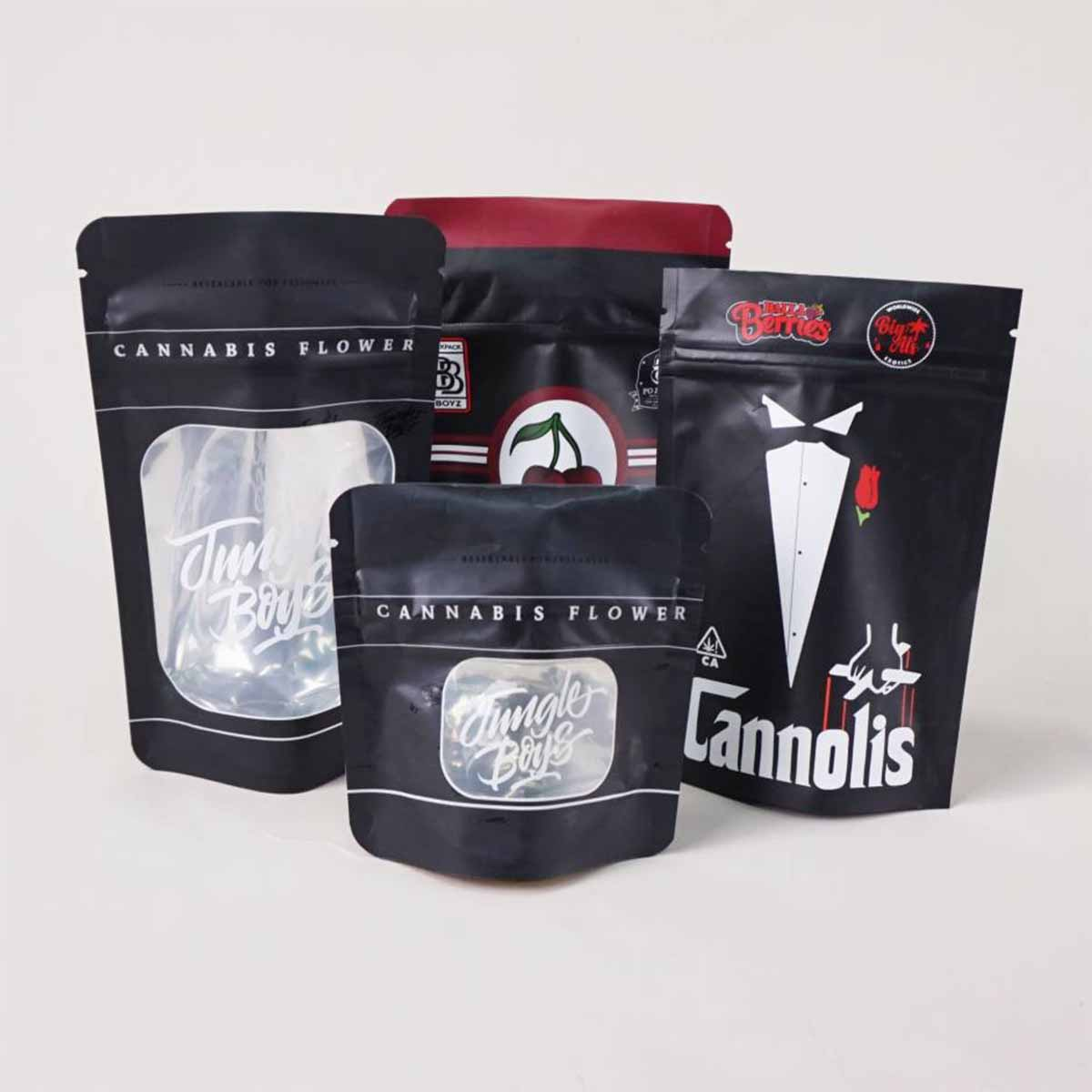
- Window options can show part of the product
- Print areas can hold product details clearly
- Custom sizes can match different fill weights
Simple Pack Planning Steps
A clear plan helps reduce artwork changes and size issues. First, confirm the product type and fill weight. Then choose the film, closure, and finish. After that, review the print layout before production begins.
- Confirm the product type and fill weight.
- Select the target pouch size.
- Choose heat seal, zipper, or both.
- Pick the film face and window style.
- Approve the artwork and coating choices.
| Feature | Details | Film Choices | Finishing Choices | Add ons and Features | Typical Uses |
|---|---|---|---|---|---|
| Sizes | Custom mini to large pouches | Recyclable PE, PP, kraft laminate, metallized PET | Gloss, Matte, Spot UV | Zipper, hang hole, tear notch, valve | Pantry goods, snacks, beauty kits |
| Thickness | 3.0 to 6.0 mil | Single or multi layer | Anti scuff coatings available | Rounded corners, bottom gusset | Heavier fills and stand up displays |
| Printing | CMYK or PMS, inside or outside | White ink underlay for bright colors | High resolution logos and micro text | Batch codes, barcodes, QR panels | Product details and traceability |
| Closures | Heat seal, standard zipper, child resistant on request | Works across film sets | Clean seal area for impulse sealers | Tear notch placement options | Manual or automated fill lines |
| MOQ and Lead Time | From 100 units with wholesale tiers | Price breaks at 500, 1000, 3000 | Color match on reorders | Free dieline and free design | 6 to 9 business days after proof |
Why Choose Eco Friendly Mylar Bags
Eco friendly mylar bags help product teams manage freshness, storage, and packaging waste in one format. These pouches can be planned with recyclable PP or PE based laminations, kraft paper laminates, lower gauge metallized PET, and plant based inks on request.
However, the right film depends on the product. A dry cereal pouch may need moisture control. A roasted product may need a valve. A herbal blend may need aroma support. Therefore, film selection should start with shelf life, sealing temperature, fill weight, and storage conditions.
Barrier And Closure Choices
Freshness depends on both film and closure. High barrier laminates can help keep moisture and oxygen under control. Zipper closures support repeat use, while heat seals help keep products closed before first opening.
Useful points include:
- High barrier laminates with recyclable options
- Reduced plastic film choices where suitable
- Heat seal or zipper closures
- Optional one way valve for roasted goods
- Clear film for product visibility
- Kraft film for a natural look
- Opaque film for light sensitive items
- Custom closure placement based on pouch size
Better Results Through Clear Size Matching
Size matching matters because extra headspace can affect pouch appearance and storage. A pouch that is too small may not seal well. On the other hand, an oversized pouch can look loose after filling. For that reason, product volume should guide the final size.
- Measure the product weight.
- Review the product shape and texture.
- Decide whether the pouch needs a zipper.
- Select the film type based on shelf life.
- Keep enough top space for sealing.
| Product Need | Suggested Film | Closure Choice | Best Use | Helpful Note |
|---|---|---|---|---|
| Cereal storage | Kraft or clear barrier film | Zipper or heat seal | Flakes and granola | Avoid excess headspace |
| Tea refills | Kraft laminate | Zipper | Herbal blends and tea leaves | Keep storage notes clear |
| Coffee samples | Higher barrier film | Heat seal or valve option | Roasted goods | Valve depends on product |
| Bakery toppings | Clear or opaque film | Heat seal | Sprinkles and toppings | Window can show product |
| Trail mixes | Barrier film with zipper | Zipper | Dry snack mixes | Helps repeated opening |
Built For Branding And Product Details
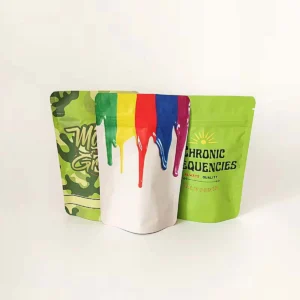
Sharp print and clean seams help products look organized in stores, stockrooms, and online listings. The pouch should give enough space for logos, product names, ingredients, storage notes, barcode areas, and QR panels. Because small pouches have limited room, the layout should stay simple.
CMYK or PMS color control can support consistent printing across repeat orders. Matte, Gloss, and Spot UV coatings can also change the surface style. For example, matte reduces glare, gloss gives a brighter face, and Spot UV can highlight selected icons or logo areas.
Printing And Coatings Made Simple
Printing should make product details clear. Thin type, gradients, and small icons need careful setup. Therefore, clean proofing helps reduce print issues before production starts.
Useful points include:
- CMYK or PMS color control
- Matte finish for lower glare
- Gloss finish for brighter color areas
- Spot UV for logos or icons
- Window cutouts on request
- Barcode and QR placement support
- Inside flood print to reduce show through
- Clean safe margins near seal areas
Consistent Color And Tidy Edges
Color consistency matters when a product line has several pouch sizes. A repeated color system helps customers recognize related products. Also, careful edge handling helps small text and fine lines stay readable.
- Review artwork at actual pouch size.
- Keep barcode zones clean.
- Leave 3 to 5 mm safe margins.
- Confirm coating areas before proof approval.
- Keep batch or date code space open.
Mylar Plastic Bags And Related Options
Many brands combine eco lines with standard Mylar Plastic Bags for accessories, samples, or limited product runs. This approach can keep one design system across the catalog while changing film type or finish according to product needs.
The same dieline can sometimes support different materials. For example, one item may use a kraft laminate, while another may use clear film. As a result, artwork stays aligned and production planning becomes easier.
Connect Formats For A Full Line
A mixed product line may include snack pouches, refill bags, sample packs, and small accessories. Related sizes and similar artwork placement can help the product family look organized.
Useful points include:
- Use one dieline for related products
- Change film based on product need
- Keep closure placement consistent
- Use similar barcode placement
- Match finish across product groups
- Keep brand colors consistent
- Use windows only where useful
- Store dielines for repeat orders
Common Format Choices
Different product groups need different pouch formats. A sample pack may need only a heat seal. A pantry refill may need a zipper. Meanwhile, a snack pouch may need a window for product view.
- Group products by size.
- Choose which items need eco film.
- Use standard film for lower barrier needs.
- Keep artwork areas aligned.
- Save final dielines for reorders.
| Format Type | Main Use | Film Choice | Closure Option | Helpful Note |
|---|---|---|---|---|
| Eco pouch | Food and dry goods | Kraft, PE, PP, barrier film | Zipper or seal | Match film to shelf life |
| Standard pouch | Accessories and samples | Mylar Plastic Bags | Heat seal | Good for simple packing |
| Window pouch | Product view | Clear front section | Zipper or seal | Plan artwork around window |
| Refill pouch | Pantry items | Kraft or opaque film | Zipper | Useful for repeat use |
| Sample pouch | Trial products | Thin barrier film | Heat seal | Keep design simple |
Mylar Bags By Material For Film Review
Shoppers often compare films before choosing a pouch size, Mylar Bags By Material can help teams review recyclable laminates, kraft blends, high barrier builds, and clear pouch options in one place. This helps match material with shelf life, sealing method, and appearance.
The product should guide the film choice first. A clear pouch may work for colorful snacks. A kraft pouch may suit pantry goods or refill packs. Meanwhile, an opaque pouch may suit products that need light control.
Matching Film To Shelf Life
Shelf life depends on product type, film barrier, sealing method, and storage conditions. Therefore, material selection should not happen after the design is finished. It should happen during early pouch planning.
Film matching points include:
- Use clear film when product view matters
- Use kraft film for a natural surface
- Use opaque film for light control
- Use high barrier film for longer storage
- Use PE or PP based film where suitable
- Use window styles for visible products
- Use zipper pouches for repeated opening
- Use heat seal pouches for closed packs
Final Film Selection Steps
Once the product and storage needs are clear, the final film choice becomes easier. At this stage, the artwork, coating, and closure should be reviewed together.
- Define the product shelf life.
- Choose the film face.
- Match thickness with fill weight.
- Select closure and notch position.
- Review print and material together.
| Film Decision | What To Review | Why It Matters | Best Practice | Helpful Note |
|---|---|---|---|---|
| Product type | Food, refill, sample, dry goods | Guides material | Start here first | Avoid overbuilding |
| Shelf life | Short or longer storage | Affects barrier need | Match with film | Consider storage area |
| Closure | Zipper or seal | Affects use | Choose early | Changes artwork space |
| Window | Clear or no window | Affects product view | Plan before print | Keep text separate |
| Finish | Matte, Gloss, Spot UV | Affects reading | Keep text clear | Review proof |
Service Details And What You Receive
A clear production process helps reduce delays. The order should move from quote details to artwork review, proof approval, material selection, production, packing, and delivery. Each step depends on accurate product information.
Premium Mylar Bags can prepare custom sizes and styles, coating options such as Gloss, Matte, and Spot UV, high quality material and printing options, design support, shipping support, and turnaround planning based on the order details.
Built For Speed And Clarity
Good order planning starts with clear inputs. Product size, fill weight, material choice, closure style, artwork, finish, and quantity should be confirmed before production begins.
Order support can include:
- Custom sizes and styles
- Gloss, Matte, and Spot UV coatings
- High quality material and printing options
- Design support where needed
- Shipping support on qualifying orders
- Turnaround planning by order type
- Color support for repeat orders
- Wholesale quantity planning
Order Details To Prepare
Before requesting pricing, gather the main product details. This reduces back and forth changes and helps the team prepare an accurate dieline.
- Share fill weight and target size.
- Choose film type and closure.
- Send artwork or request layout help.
- Review the proof and coating areas.
- Confirm production and delivery schedule.