
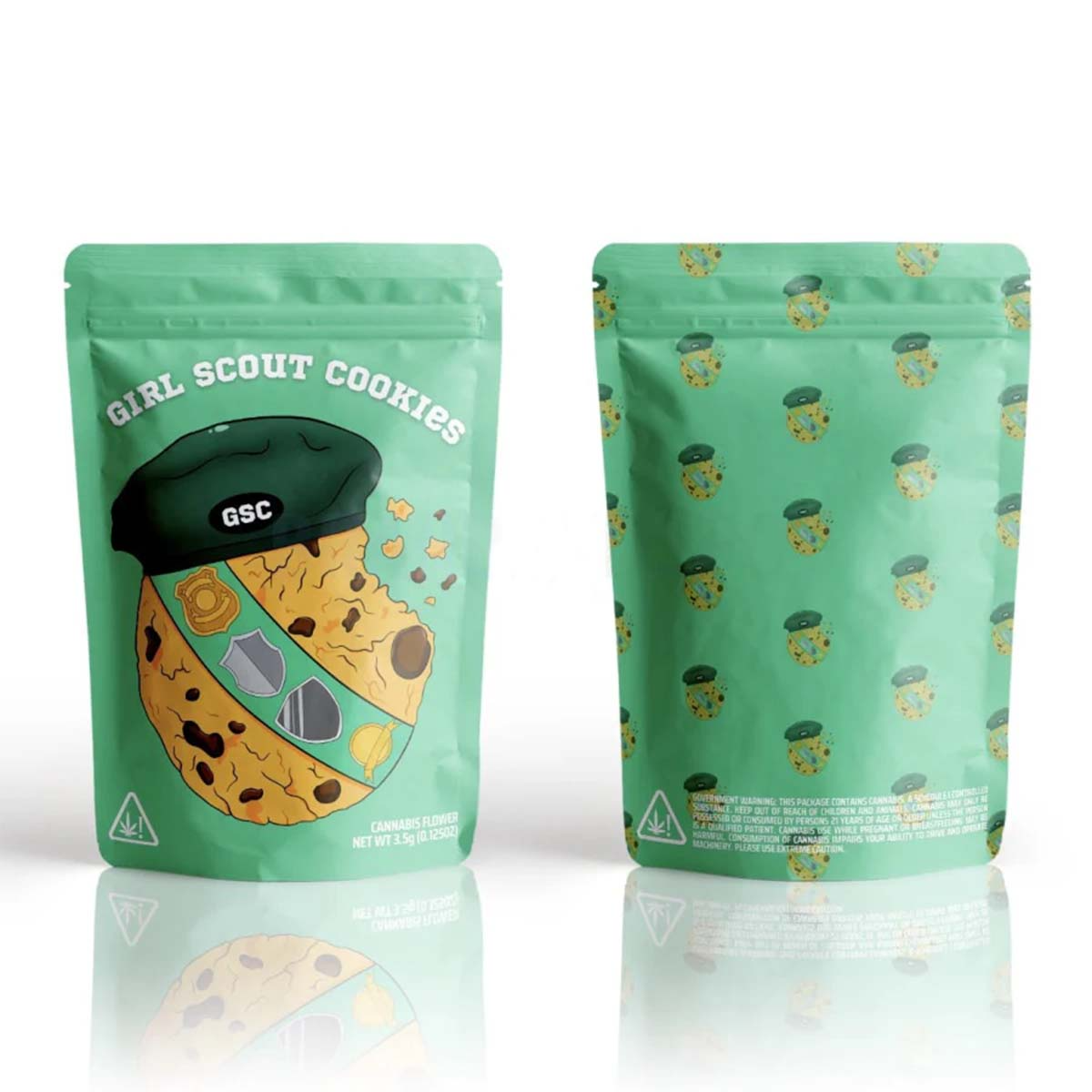
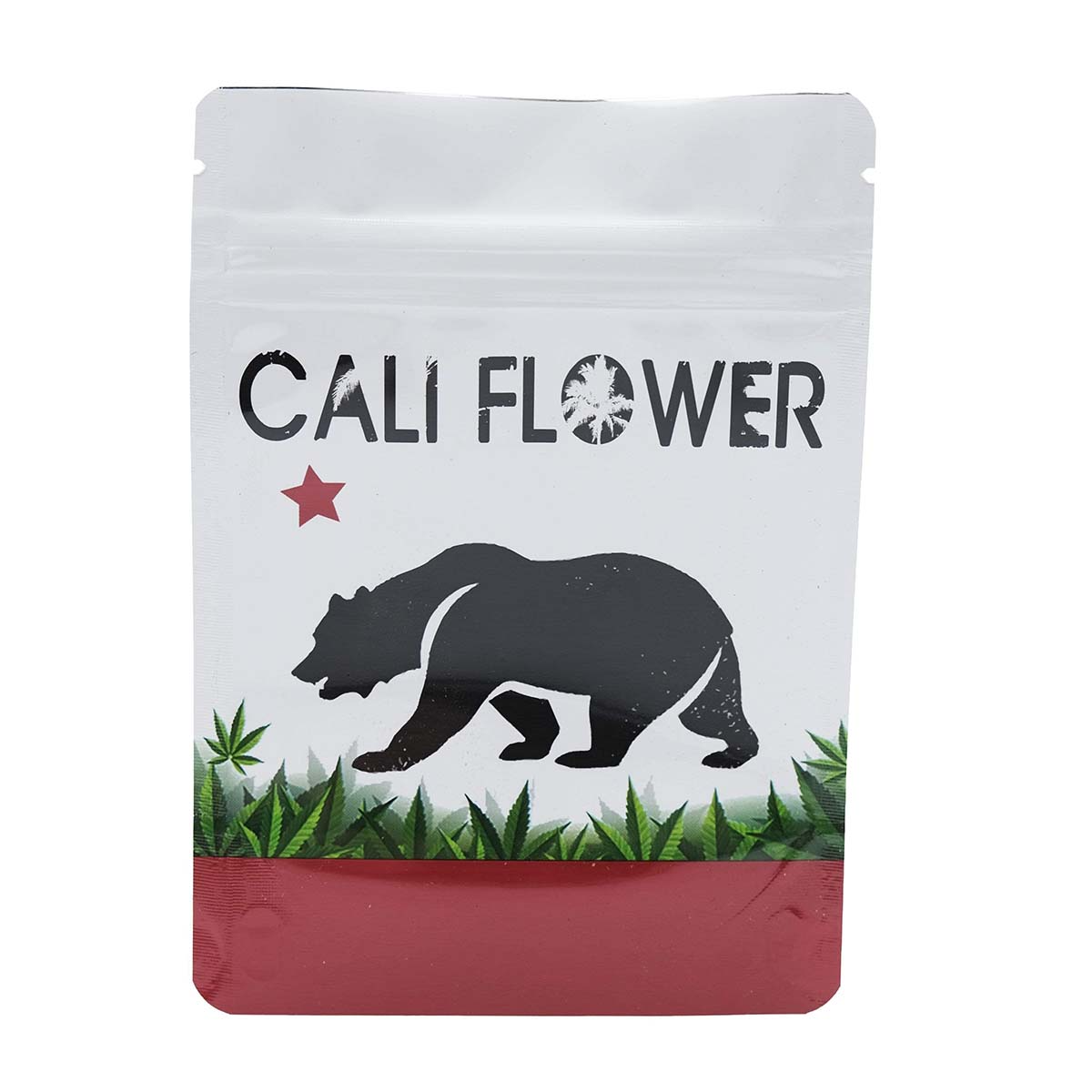
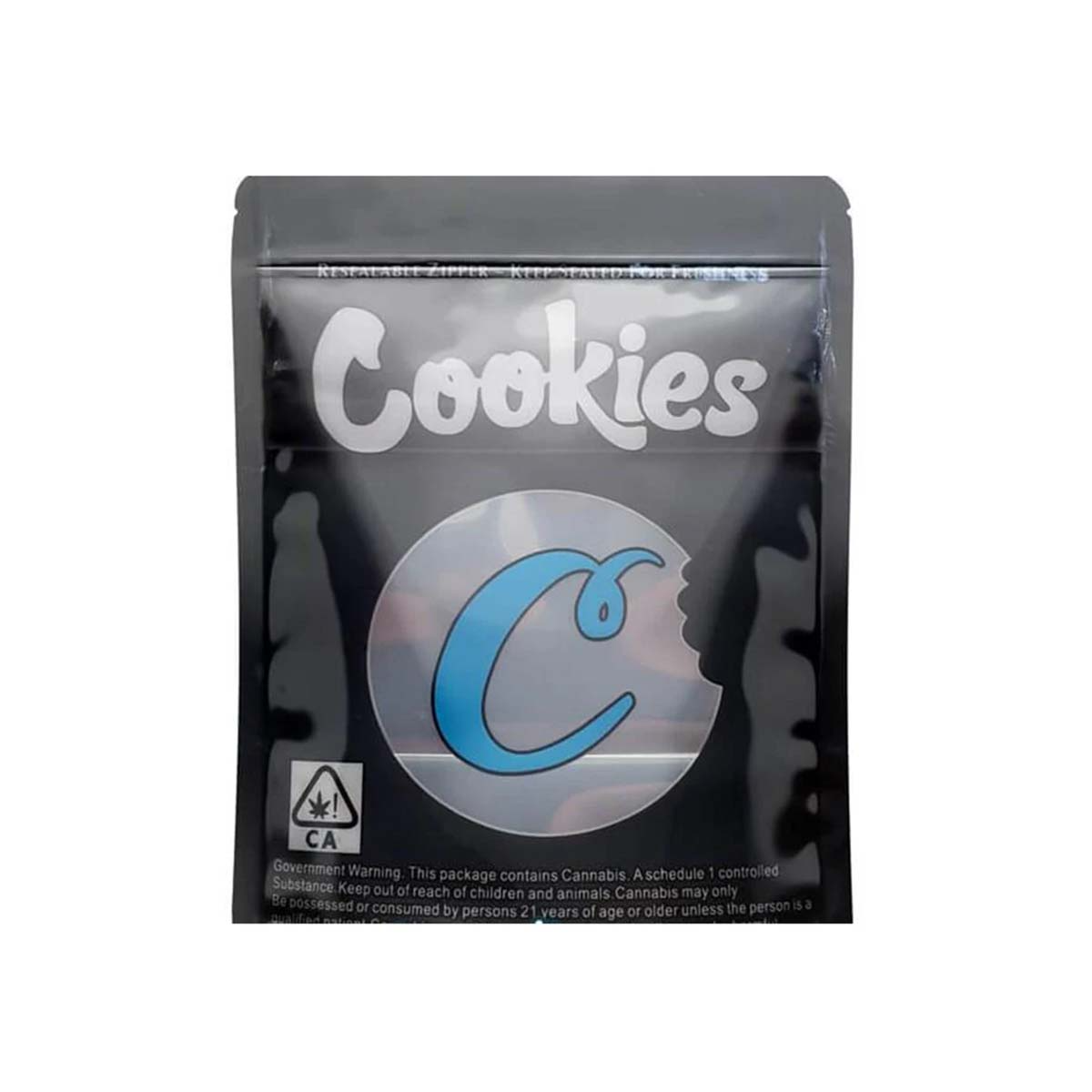
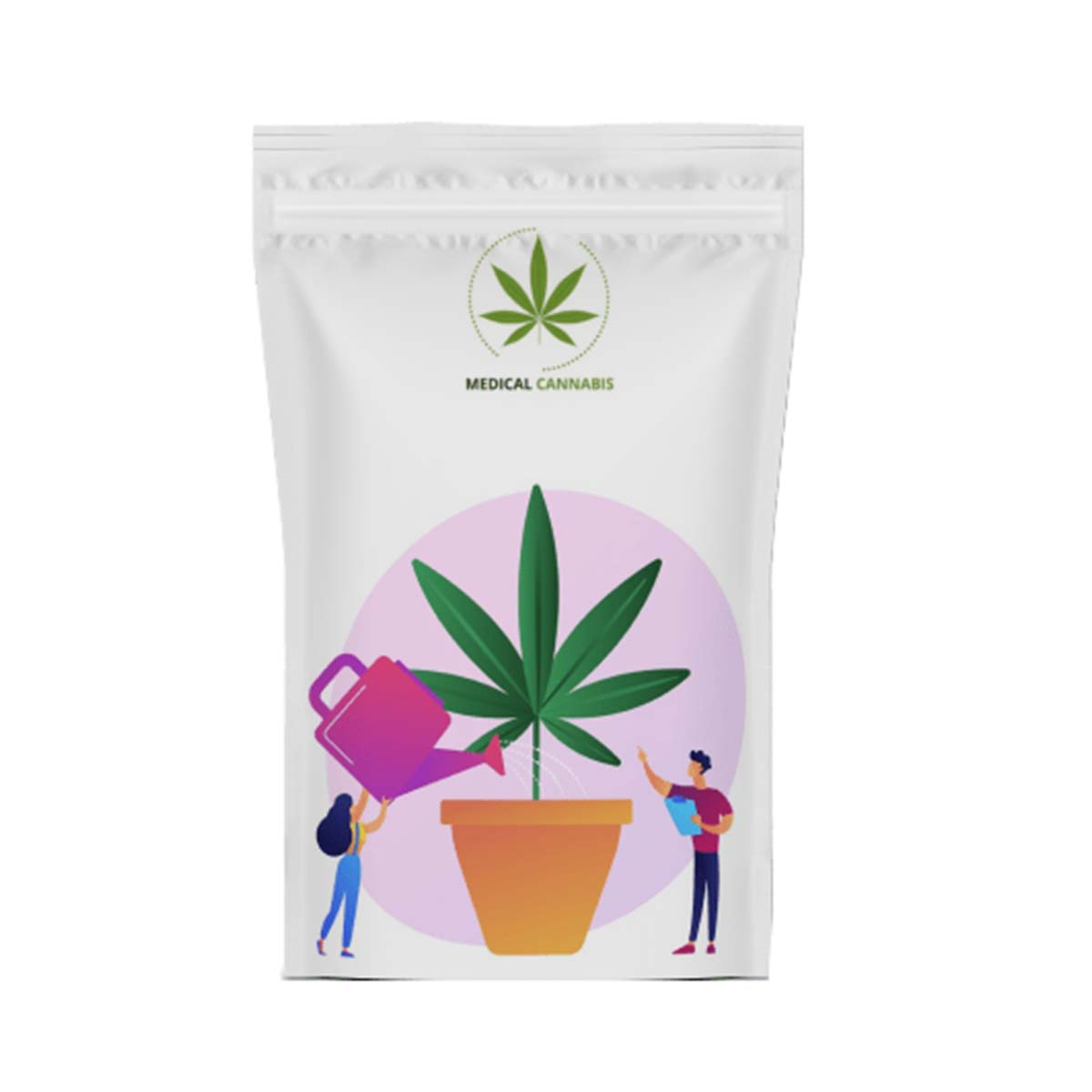




Description
Labeled Mylar Bags Wholesale For Food And Retail Brands
Labeled Mylar bags help products ship safely, stay fresh, and get noticed on the shelf. This page covers Labeled mylar bags wholesale, printing choices, size options, and smart buying tips. At Premium Mylar Bags, we make custom runs fast, consistent, and budget friendly. You get short sentences, clear choices, and real answers to what matters when you are ordering packaging.
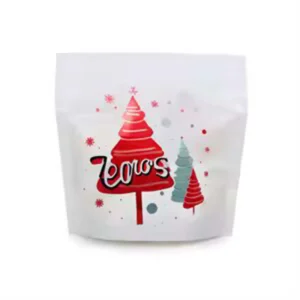
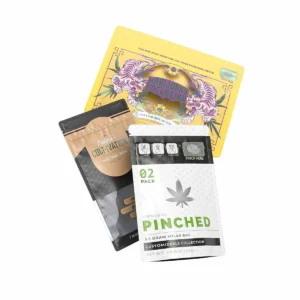
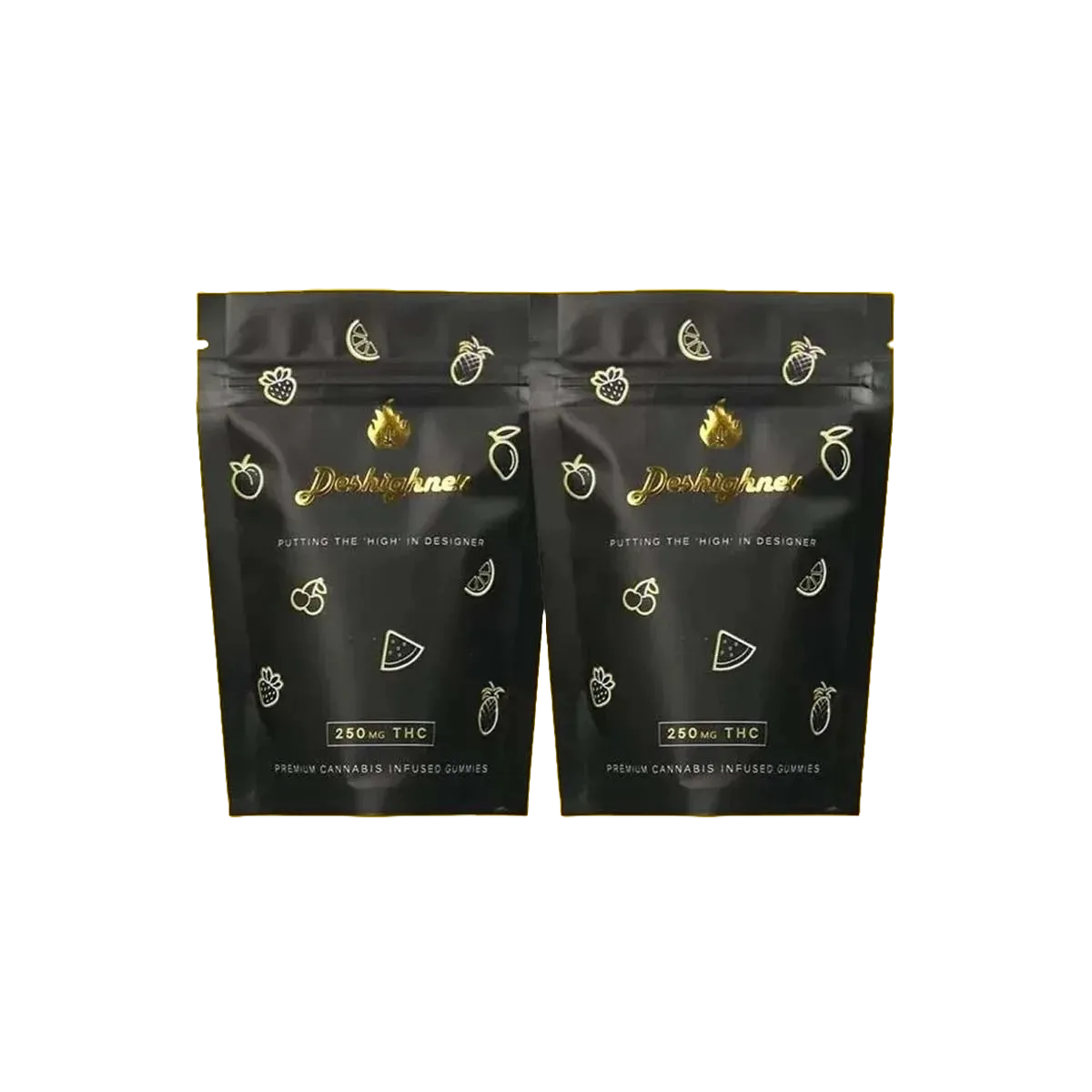
Seasonal product batches, limited runs, and small packaging groups often need clear label placement and a balanced pouch layout. The style of Cool Mylar Bags can support artwork planning, label spacing, and product detail arrangement during packaging setup. A clear label area also helps keep product names, batch details, and required information easy to read.
Built For Clarity Branding And Food Safety
A labeled pouch needs clean surfaces, true color, and a finish that takes adhesive well. Our films are chosen for print accuracy and seal strength. You get consistent zipper feel, tear-notch placement, and heat-seal behavior that keeps fulfillment lines moving.
How labeling adds value
- Lets you run one base design, then apply small label changes per flavor or strain.
- Speeds launches because labels print faster than full pouch reprints.
- Keeps compliance current when rules change in different regions.
- Reduces leftover inventory by shifting SKUs with labels instead of full reprints.
Film choices explained
- PET with aluminum barrier for long shelf life.
- PET with clear window when visibility helps sales.
- PET Kraft laminate for a natural look with modern barrier.
- Recyclable options available on request.
Labeled Mylar Bags Cheap Guide To Smart Buying
Labeled mylar bags cheap options can help businesses manage product packaging without making the pouch look plain or unclear. The main point is to choose bags that match product size, label space, sealing needs, and storage requirements. A lower price should not mean weak material, poor printing, or unclear product details.
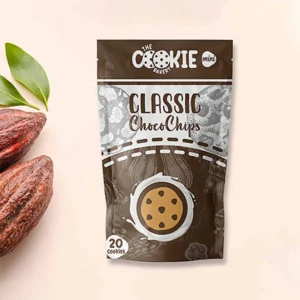
These bags are used for snacks, herbs, coffee, tea, powders, candy, samples, dry goods, and small product lines. When the pouch has a clean label area, buyers can read the product name, weight, ingredients, barcode, and storage notes more easily.
How To Choose Low Cost Labeled Mylar Bags
The right bag should match the product before price is compared. A small pouch may work for samples, while a larger pouch may suit refill packs or bulk dry goods. Also, the label area should have enough space for readable text.
Useful points include:
- Choose size based on fill weight
- Keep the label area clean
- Select material based on storage needs
- Use readable fonts for product details
- Keep barcode space clear
What To Check Before Buying
Before buying labeled mylar bags, check the pouch size, material, label space, and closure style. A low price can look attractive, but the bag still needs to match the product. The pouch should hold the product properly, seal well, and keep printed details readable.
Check Product Size And Fill Weight
Product size should come first. A pouch that is too small can be hard to seal. A pouch that is too large can look loose after filling. Measure the product weight and fill volume before choosing the bag size.
Useful points include:
- Choose size based on product weight
- Leave space for sealing
- Keep label area visible
- Avoid too much empty space
- Check product thickness after filling
Review Material And Closure Type
Material and closure both affect storage quality. Mylar film helps reduce moisture and air contact. A heat seal works well for closed packs, while a zipper works better for products that customers open more than once.
- Confirm the product weight.
- Choose the pouch size.
- Select heat seal or zipper closure.
- Prepare label text and artwork.
- Review the proof before production.
Compare Price With Product Needs
Cheap labeled mylar bags should still support your product. Do not choose price only. Check whether the pouch can hold the product, protect it during storage, and display the label clearly.
| Buying Point | What To Check | Why It Matters | Best Option |
|---|---|---|---|
| Size | Product fill amount | Helps avoid loose packing | Match with weight |
| Material | Barrier strength | Supports storage control | Mylar film |
| Closure | Seal or zipper | Controls opening style | Based on use |
| Label Area | Text and barcode space | Helps readability | Clean front panel |
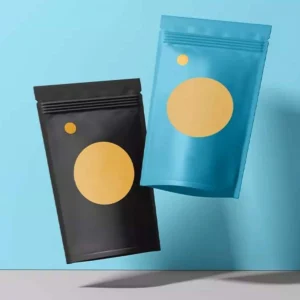
| Finish | Matte or gloss | Changes surface look | Match artwork |
Printing and finish options for labels and pouches
Printing quality plays a major role in how your labels and pouches represent your brand. Decorative Mylar Bags enhance this presentation by pairing strong barrier protection with premium print clarity. High-definition printing ensures sharp text, vivid colors, and clear graphics that attract customer attention. Most manufacturers use CMYK digital or offset printing for vibrant imagery, while PMS color matching helps maintain consistency across product lines. You can also add metallic inks, holographic foils, or white ink layers for extra visual depth and luxury appeal.
| Method | Best for | Durability notes | Finish look |
|---|---|---|---|
| Digital CMYK | Fast art changes, many SKUs | Good for short runs | Smooth color gradients |
| Spot color | Brand-critical Pantones | Highest match accuracy | Solid, repeatable blocks |
| Metallic foil | Premium cues | Add lamination to protect | Reflective highlights |
| Matte laminate | Fingerprint control | Hides light scuffs | Soft, low glare |
| Gloss laminate | Shelf pop | Wipe-clean surface | Bright and crisp |
What To Check Before You Approve Your Proof
Proof approval is an important step before production starts. This stage helps you check size, artwork placement, spelling, colors, barcode space, logo position, and product details. A small mistake in the proof can affect the full order, so every detail should be reviewed carefully before approval.
The proof should match the final pouch layout. It should show the correct front panel, back panel, seal area, zipper position, tear notch, window placement, and print direction. If anything looks unclear, it is better to request a revision before production begins.
Review Text And Artwork Placement
Check all written details first. Product name, weight, ingredients, storage notes, warning text, batch code area, and barcode placement should be easy to read. Also, make sure the logo is not too close to the seal, zipper, or pouch edge.
Important points include:
- Check product name spelling
- Review logo size and position
- Keep barcode space clear
- Confirm QR code placement
- Check ingredient and storage text
- Make sure warning text is readable
Check Size And Closure Details
The pouch size should match the product fill amount. A small pouch may become hard to seal, while a large pouch may leave extra empty space. Also, check whether the closure is heat seal, zipper, tear notch, hang hole, or window style.
- Confirm pouch width and height.
- Check the fill weight.
- Review zipper or heat seal position.
- Confirm window placement if added.
- Approve the proof only after checking all details.
| Proof Area | What To Check | Why It Matters | Best Practice |
|---|---|---|---|
| Text | Spelling and product details | Prevents print errors | Read every line |
| Artwork | Logo and design placement | Keeps layout clean | Check spacing |
| Size | Width and height | Helps product fit | Match fill weight |
| Closure | Zipper or heat seal | Affects user opening | Confirm before approval |
| Codes | Barcode and QR code | Supports scanning | Keep space clear |
Mylar bag sticker printer options at a glance
If you apply labels in-house, the printer choice matters. Think in terms of colorfastness, speed, and resistance to oil or moisture.
Common paths
- Inkjet with pigment inks for rich color and good water resistance.
- Thermal transfer for high-durability barcodes and batch codes.
- Laser labels for crisp text on matte stocks.
Tips for clean label application
- Wipe pouch face to remove dust before applying.
- Use alignment jigs for fast repeat placement.
- Apply labels after sealing to avoid heat lift.
- Store label rolls in a cool, dry place.
Sizing and fill guidance
Choose sizes based on net content and target shelf shape. Leave enough headspace for a reliable seal and a straight, bubble-free label.
| Net content | Suggested face width | Approx. height | Notes |
|---|---|---|---|
| 14–28 g samples | 3–4 in | 5–6 in | Flat pouches reduce material use |
| 100–150 g | 5–6 in | 8–9 in | Good for small stand-ups |
| 250–350 g | 6–7 in | 9–10 in | Standard shelf footprint |
| 500 g–1 kg | 7–9 in | 11–13 in | Add bottom gusset support |
Keep the label at least 0.25 in from any fold or heat seam to avoid peeling. For cold rooms, choose a freezer-grade adhesive.
Custom printed Mylar bags no minimum versus bulk strategies
Small brands often ask if they can start with very small runs. Yes, Custom printed Mylar bags no minimum options exist for tests, but unit cost is higher. When you are confident in the recipe and artwork, step into Labeled mylar bags bulk to reduce cost per unit and stabilize films and seals across SKUs.
When to move from pilot to bulk
- Sell-through is stable for three consecutive weeks.
- Compliance text and icon set have no changes pending.
- Retailers confirm fit on shelves and pegs.
- Reorder lead time is inside your planning window.
Workflow ideas for growing teams
Labels can be printed centrally and shipped to co-packers with clear placement instructions. Use a one-page art guide with rulers and photos. Standardize on one label width across SKUs, then vary height slightly for long names.
Teams that use Premium Mylar Bags can maintain consistent material quality, pouch structure, and packaging style across repeat orders. This can support smoother packing workflows, fewer production delays, and a more organized product line presentation. Consistent packaging also helps keep product sizes, finishes, and printed details aligned across different batches.
How to keep labels readable after filling
Heat, oil, and handling can blur ink or lift corners. Match label stock to real-world conditions.
Simple steps
- Choose matte laminate when bags stack tightly in cartons.
- Round label corners to reduce edge catch.
- Add a light varnish for extra scuff resistance.
- For clear-window pouches, use translucent labels sparingly so product remains visible.
Labeled mylar bags for sale with compliance in mind
Regulated products require space for warnings and batch data. Plan your layout early so labels fit without covering zippers or windows.
Layout notes
- Put warnings on the back above the bottom fold.
- Keep flavor text separate from nutrition or compliance blocks.
- Use 100% black for barcodes to keep scans clean.
- Print date and lot code with thermal transfer on a blank area.
Custom Mylar bags wholesale with steady color and seals
Wholesale runs should carry consistent film, laminate, and zipper sources. That keeps label adhesion the same across months of orders. Lock your art files and naming conventions so relabeling for new flavors is simple.
What we standardize
- Film families and laminate thickness
- Zipper brand and notch spacing
- Inside varnish when needed for oil resistance
- Box counts for easy receiving and cycle counts