






Description
Pint Mylar Bags Wholesale With Custom Sizes And Printing
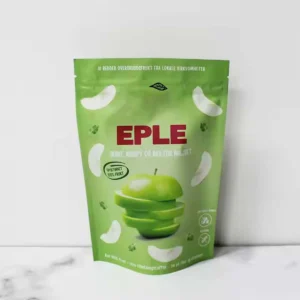
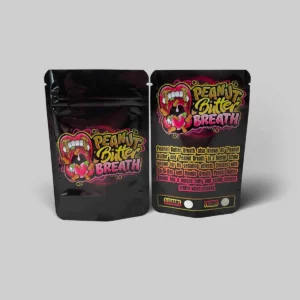
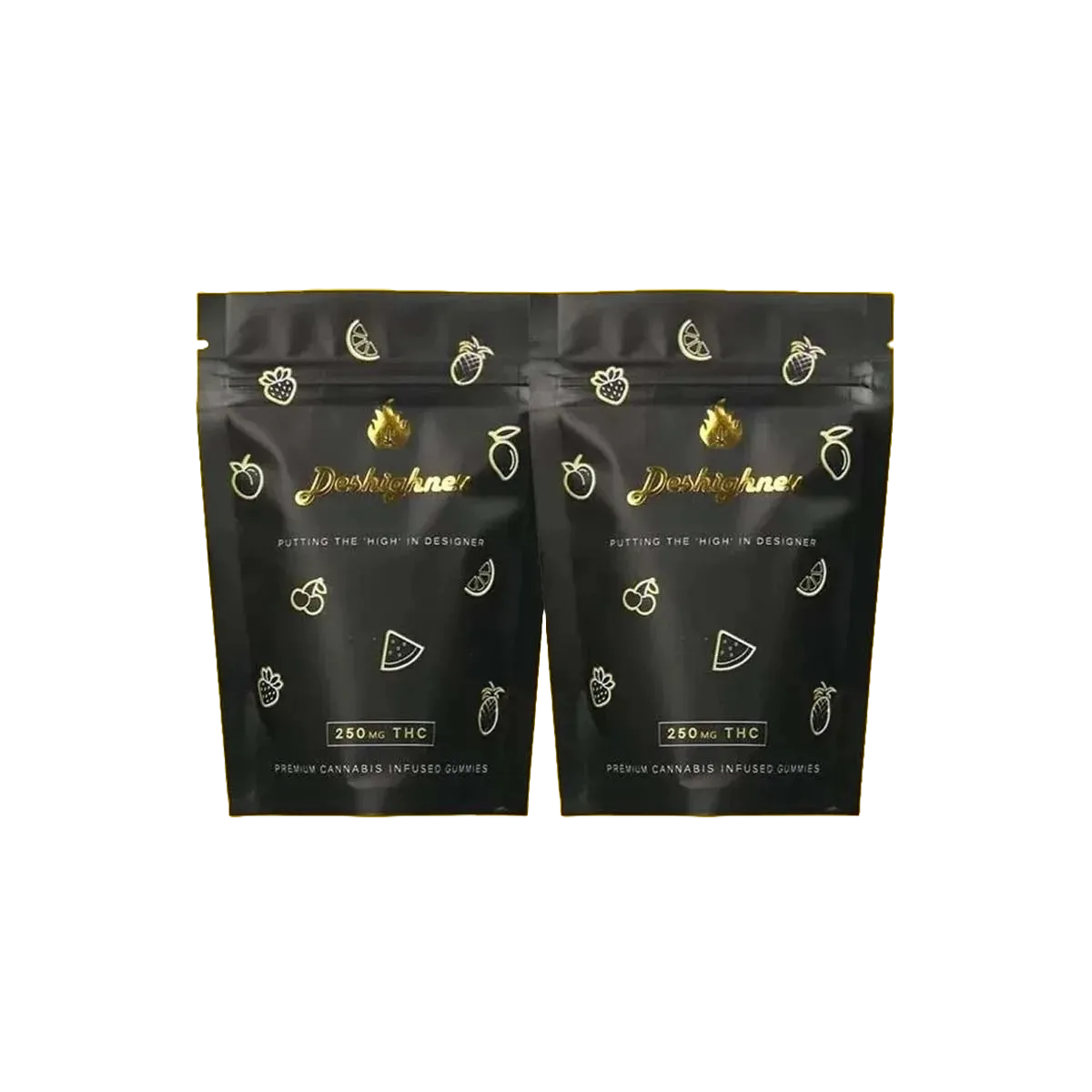
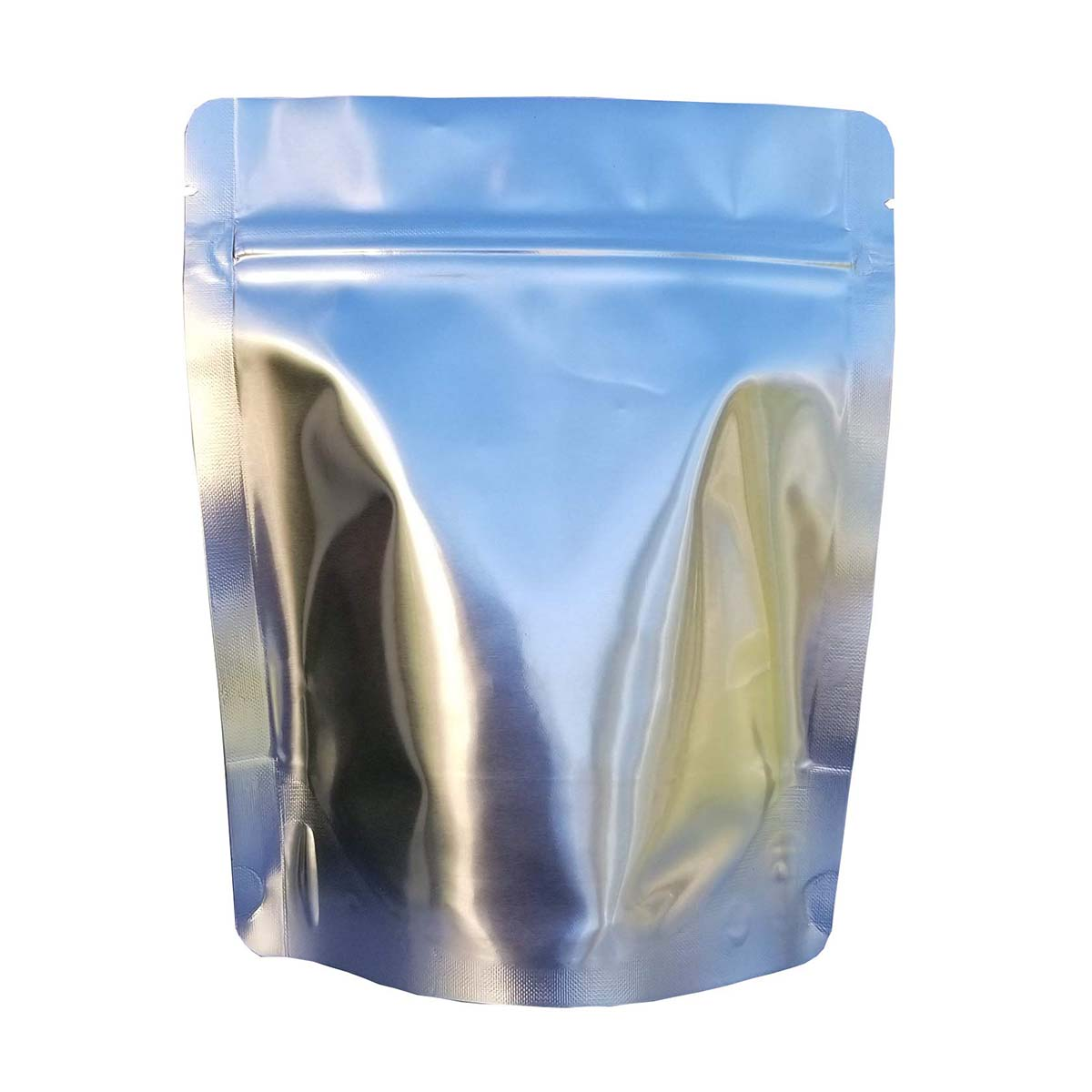
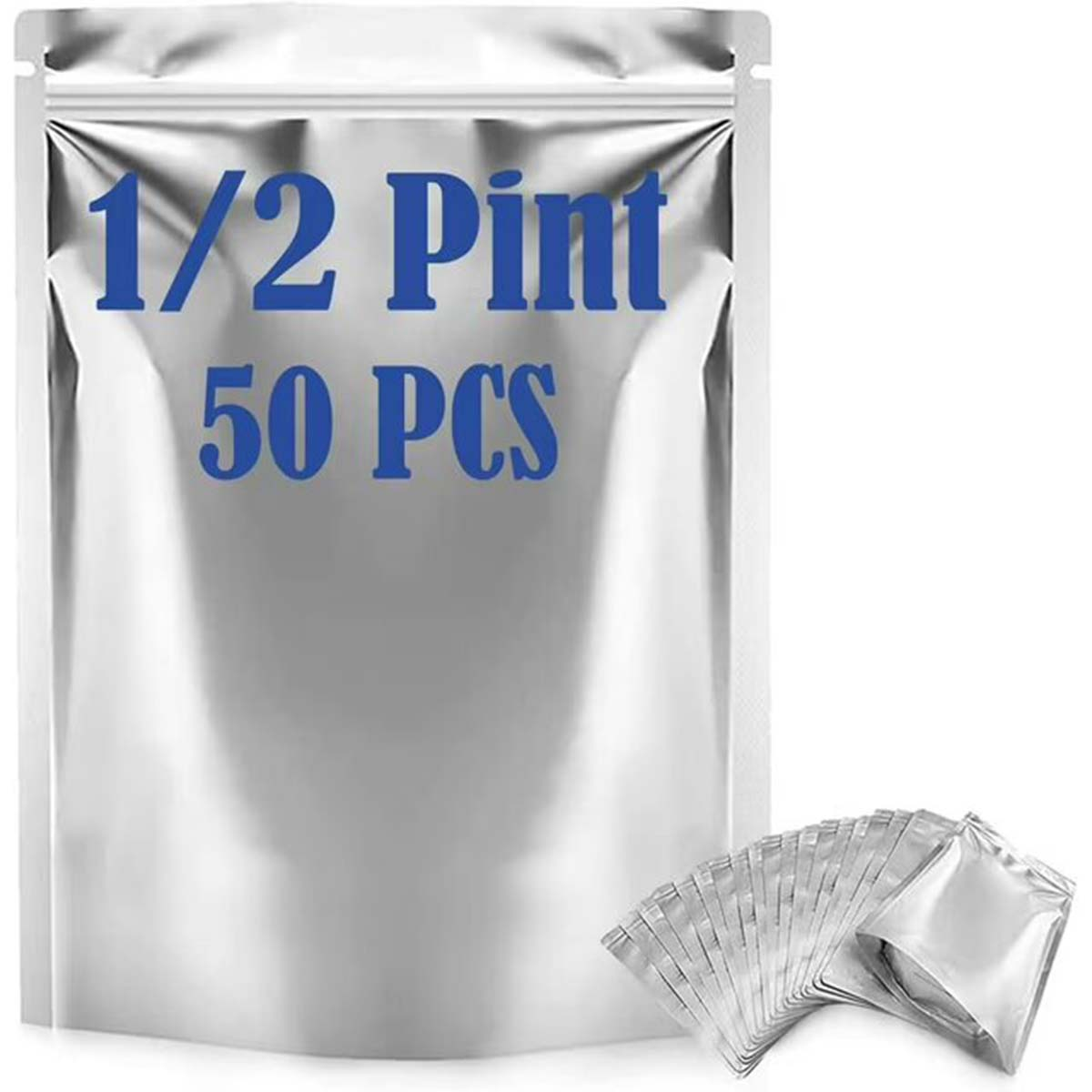
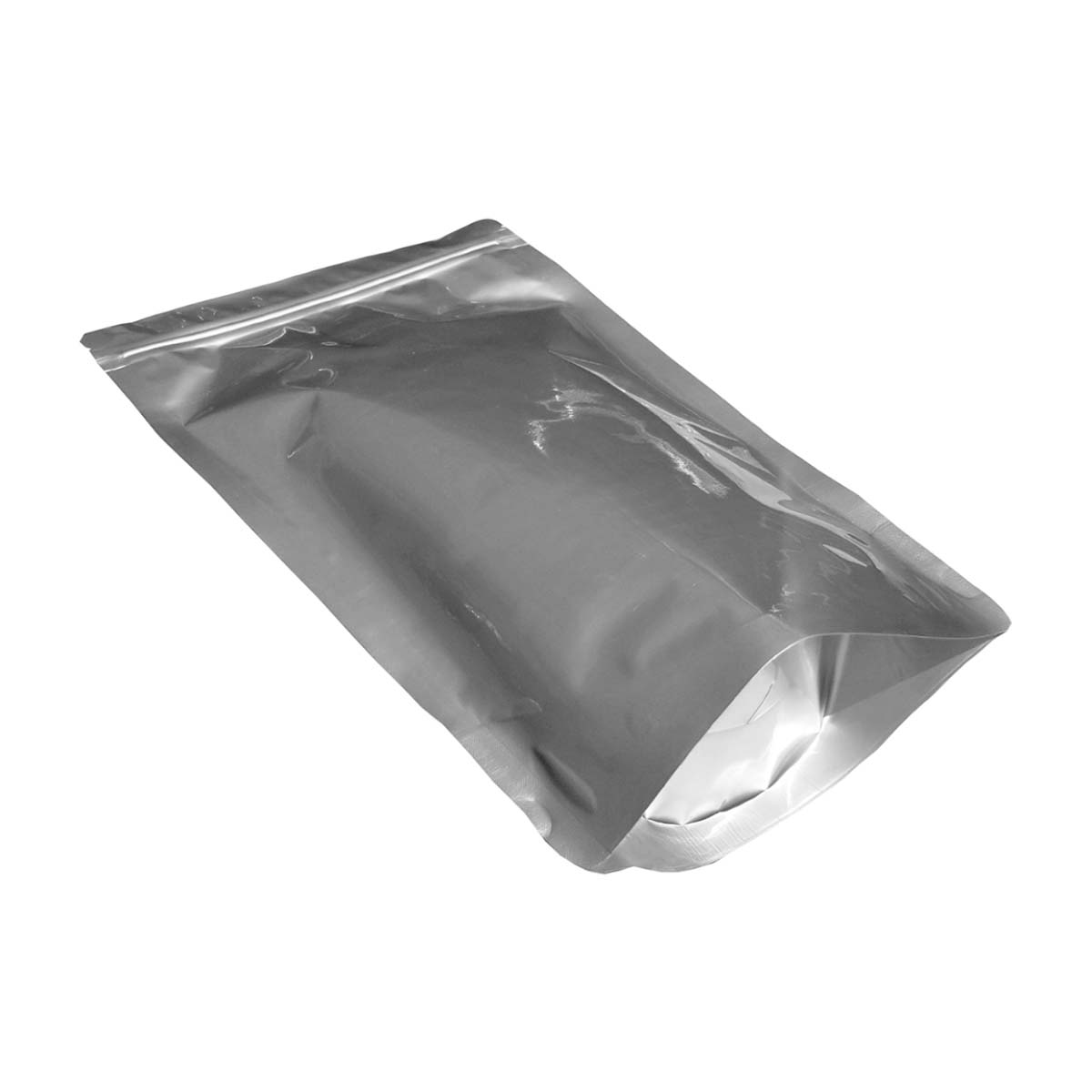
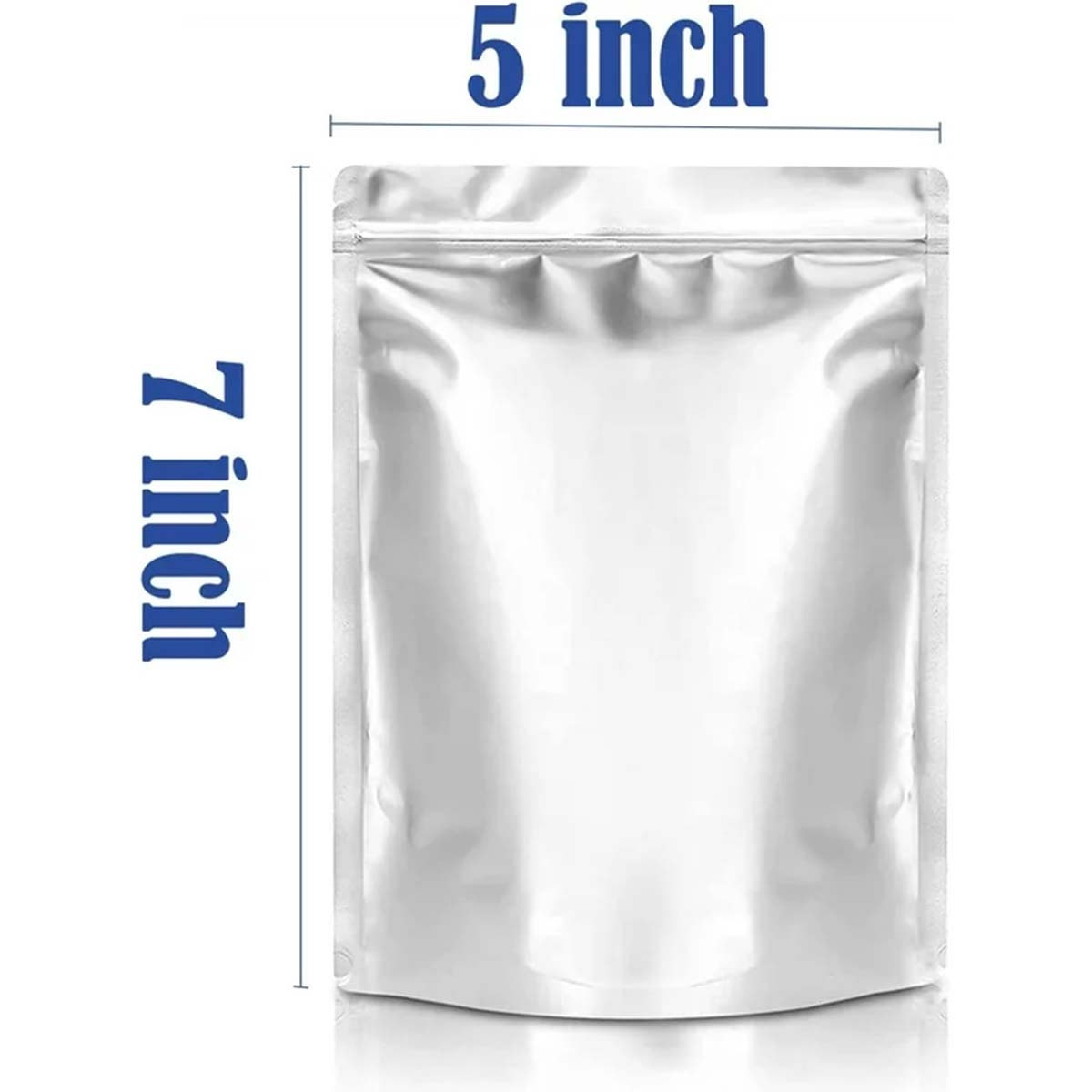
Pint Mylar Bags are useful for portioned food storage, small product packing, and organized retail packaging. At Premium Mylar Bags, we produce Pint Mylar Bags wholesale with consistent film quality, clean print, and size options that match different fill weights. Many buyers use them as pint mylar bags for food storage for nuts, spices, coffee, candy, dehydrated snacks, dry mixes, and small pantry products.
Freshness Protection With Simple Packing
Pint size pouches balance storage volume and shelf presence. The film barrier helps resist moisture, oxygen, and light. This matters for products that can lose flavor, texture, scent, or freshness when exposed to air or humidity.
Useful points include:
- Moisture resistant film for dry products
- Oxygen barrier support for longer storage
- Heat seal option for closed packing
- Zipper option for repeated opening
- Optional window for product view
- Smell proof options on request
- Works with oxygen absorbers when needed
- Clean panels for barcode and batch details
4×6 Mylar Bags As A Related Size
Products that need compact portions, tester packs, or sample drops can use smaller pouch formats while keeping the same printing and sealing standards. Many brands use pint pouches for standard SKUs, while 4×6 Mylar Bags can support giveaways, sample packs, point of sale kits, and small product portions. This keeps the packaging system simple across different fill sizes, product groups, and handling needs.
Using one design system across both sizes can also reduce artwork confusion. The same logo placement, barcode style, color direction, and finish choice can continue from smaller pouches to pint pouches. This gives the product range a more organized look.
Matching Systems For Smaller Fills
A smaller pouch can be used when the product does not need pint capacity. This can help reduce empty space and make samples easier to handle. A pint pouch can then support larger portions or regular product packs.
The key is to keep the design relationship clear. If the customer sees both sizes together, the product family should feel connected. Size may change, but the layout should stay familiar.
Useful planning points include:
- 4×6 pouches for compact portions
- Pint pouches for standard fill sizes
- Shared print style across both sizes
- Same barcode and batch area placement
- Same zipper choice where possible
- Matching finish for product consistency
- Sample packs for new flavors
- Pint packs for regular stock
Steps for paired pouch sizes include:
- Decide which products need 4×6 size.
- Use pint size for larger fill weights.
- Keep logo placement consistent.
- Match finish across both pouch sizes.
- Review both layouts before printing.
| Pouch Size | Best Use | Closure Option | Design Need | Helpful Note |
|---|---|---|---|---|
| 4×6 Mylar Bags | Samples and tester packs | Heat seal or zipper | Simple front panel | Good for smaller fills |
| Pint Mylar Bags | Standard product packs | Zipper or heat seal | More print space | Useful for regular SKUs |
| Flat Pouches | Slim product portions | Heat seal | Clean back panel | Saves storage space |
| Gusseted Pouches | Better shelf balance | Zipper | Larger artwork area | Useful for display |
| Window Pouches | Product visibility | Seal or zipper | Window planning | Keep text away from window |
Mylar Bags By Size For Easy Navigation
When a catalog is structured by dimensions, shoppers can choose the right pouch faster. Mylar Bags By Size helps compare pint, quart, gallon, and mini sampler formats by capacity and use. This helps users select by fill weight, seal style, and storage need without changing every product detail.
Size based navigation also helps internal planning. Teams can group products by pouch dimensions and choose finishes based on use. This reduces confusion when several products need the same material but different artwork.
Find The Right Pouch With Fewer Steps
Choosing a pouch by size can save time. A buyer may already know the fill weight or target portion. In that case, size based browsing makes the selection easier. The next step becomes closure, finish, and artwork.
Pint size sits in the middle of many product lines. It is not too small for retail use and not too large for everyday storage. That balance makes it a common choice for dry food, samples, refills, and subscription packs.
Useful size points include:
- Mini pouches for sample drops
- 4×6 pouches for tester packs
- Pint pouches for regular portions
- Quart pouches for larger packs
- Gallon pouches for storage items
- 10 Gallon Mylar Bags for bulk storage
- Shared dielines for related sizes
- Matched artwork across product groups
Steps for size selection:
- Start with product fill weight.
- Choose the pouch capacity.
- Select the closure style.
- Pick the material structure.
- Add artwork after the size is final.
| Size Group | Common Use | Product Match | Closure Option | Helpful Note |
|---|---|---|---|---|
| Mini Sampler | Small trials | Spices, scents, samples | Heat seal | Best for low fill weights |
| 4×6 Format | Compact packs | Gummies, seeds, samples | Zip or seal | Good partner size |
| Pint Format | Regular portions | Nuts, coffee, candy | Zip or seal | Balanced capacity |
| Quart Format | Larger fills | Snacks and mixes | Zipper | Better for more volume |
| 10 Gallon Format | Bulk storage | Prep and long term items | Heat seal | Needs stronger film |
Extended Storage Options
Some projects need more capacity than a pint pouch. Prep kits, institutional supply, warehouse programs, and long term storage plans may need larger bags with thicker film and bigger gussets. In those cases, 10 Gallon Mylar Bags can support higher volume storage.
The same design rules still apply. Product name, barcode placement, batch space, and safe margins should stay clear. Larger bags give more room, but the layout should still stay simple and readable.
Long Term And Bulk Holding
Large pouches need material strength, seal quality, and storage planning. They may hold heavier products, so the film structure should match the contents. A larger pouch may also need more careful handling during filling and sealing.
Pint pouches can work beside larger bags in the same packaging system. A brand may use pint bags for everyday packs and 10 gallon bags for bulk storage. Matching design rules can keep the product line easier to understand.
Useful points include:
- 10 Gallon Mylar Bags for larger storage
- Thicker film for heavier fills
- Wider gussets for capacity support
- Clear barcode placement
- Shared design rules across sizes
- Storage notes for long term use
- Heat seal bands for secure closure
- Batch areas for stock tracking
Bulk planning steps:
- Confirm the product weight.
- Select the larger pouch size.
- Choose stronger film if needed.
- Plan barcode and label space.
- Use clear storage notes.
| Storage Need | Suggested Size | Material Choice | Closure Style | Helpful Detail |
|---|---|---|---|---|
| Small Refills | Pint pouch | Standard barrier film | Zipper or heat seal | Good for regular use |
| Sample Drops | 4×6 pouch | Lightweight barrier film | Heat seal | Works for test packs |
| Pantry Packs | Pint or quart | Multi layer film | Zipper | Helps repeated use |
| Bulk Holding | 10 gallon pouch | Heavy duty film | Heat seal | Supports larger storage |
| Long Term Use | Large pouch | Strong barrier film | Heat seal | Works with oxygen absorbers |
Service Details And Ordering
A clear order process helps reduce delays and keeps the final pouch close to the product need. Before ordering, it helps to prepare pouch size, target fill weight, artwork, closure choice, finish, and quantity. These details guide the dieline and proofing process.
Premium Mylar Bags supports custom sizes and styles, Gloss, Matte, and Spot UV coating options, high quality material and printing options, free design, free shipping, and fast turnaround times. These details can be planned around each product run and quantity level.
What You Receive With Every Run
Each run can include layout support, artwork proofing, film selection, finish planning, and careful packing. The goal is to keep the pouch ready for filling and easy to reorder.
For seasonal promos or clean label projects, Empty cereal mylar bags and pint mylar bags bulk can be set up with window styles and zipper options. If a compact partner size is needed, 4×6 Mylar Bags can use the same artwork direction.
Useful order details include:
- Custom sizes and styles available
- Gloss, Matte, and Spot UV coating options
- High quality material choices
- High quality printing options
- Free design support
- Free shipping on qualifying orders
- Fast turnaround times
- Color matched reprints
Order steps include:
- Share the pouch size.
- Send artwork and product details.
- Confirm target fill weight.
- Choose finish and closure.
- Approve the proof before production.
| Order Detail | What To Share | Why It Matters | Best Practice | Helpful Note |
|---|---|---|---|---|
| Size | Width and height | Controls product fit | Measure filled product | Avoid extra space |
| Fill Weight | Product amount | Helps choose film | Confirm before proof | Important for snacks |
| Closure | Zip or heat seal | Controls user access | Match product use | Choose early |
| Artwork | Logo and design | Prepares layout | Send clean files | Review spelling |
| Quantity | Order amount | Affects planning | Estimate demand | Confirm timeline |
Pint Mylar Bags For Regular Product Lines
Pint Mylar Bags can help brands manage a balanced packaging size for food storage, dry product packing, and product sampling. The pouch gives enough space for design and product details while staying compact for storage and shipping.
The size also works well for repeat product groups. One pouch format can cover several flavors, product types, or sample packs. Artwork can change from one item to another while the base film, closure, and size remain consistent.
Final Planning Notes For Pint Pouches
Before production, every detail should be reviewed. The pouch size should match the product. The seal area should remain clear. The artwork should stay readable. Barcode and batch areas should have enough space.
Final points include:
- Use clear text on small panels
- Keep barcode space clean
- Leave safe margins near seals
- Choose finish based on readability
- Match zipper style with product use
- Keep artwork simple for reorders
- Confirm quantity before production
- Review proof before approval
Final steps include:
- Confirm product fill weight.
- Review dieline and artwork.
- Check seal and zipper placement.
- Approve finish and print details.
- Schedule the production run.