




Description
Plain Mylar Bags Wholesale With Custom Sizes And Printing
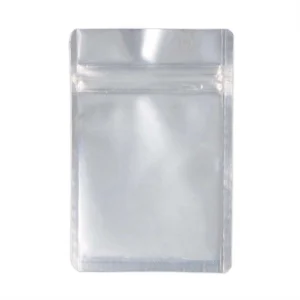
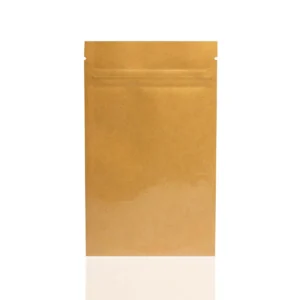
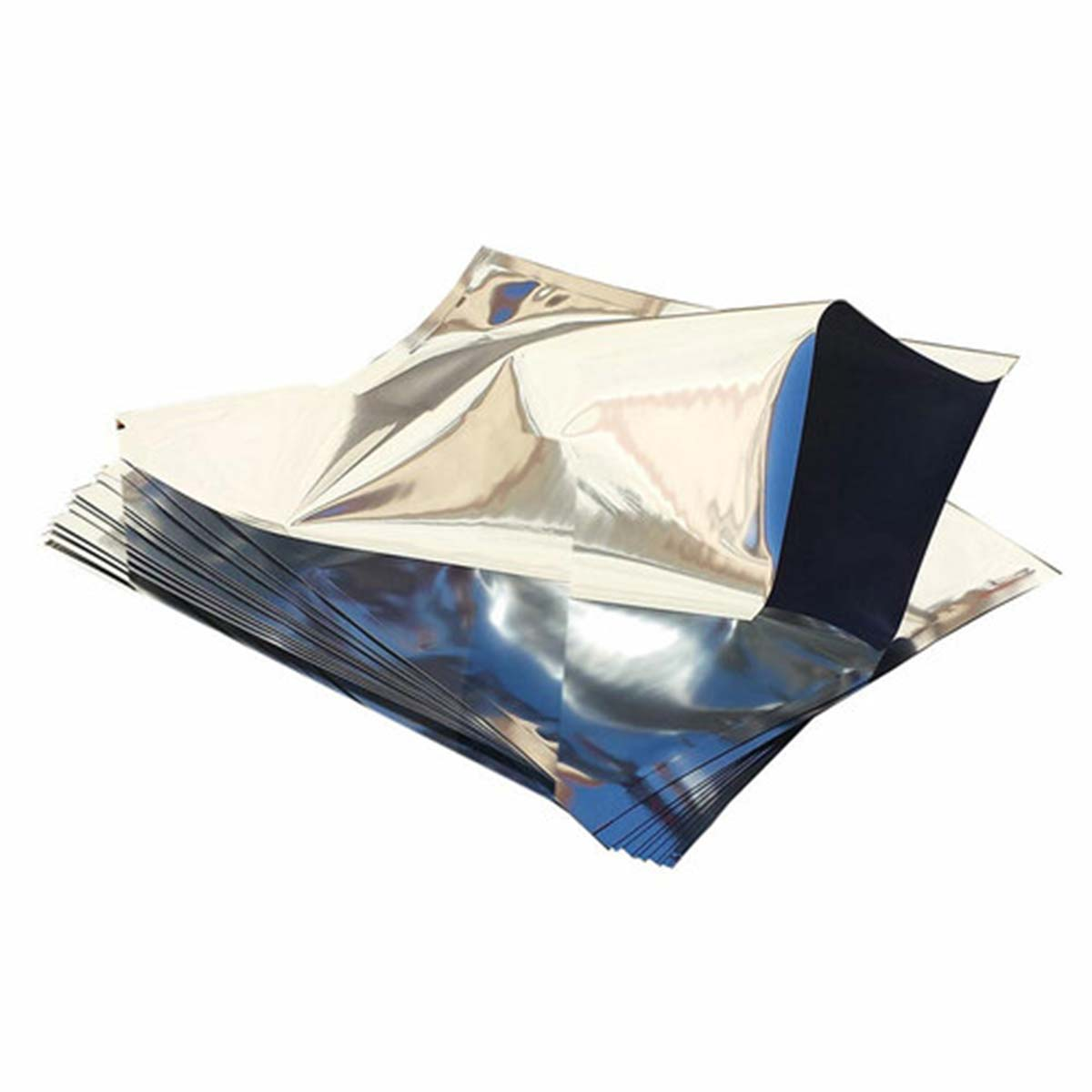
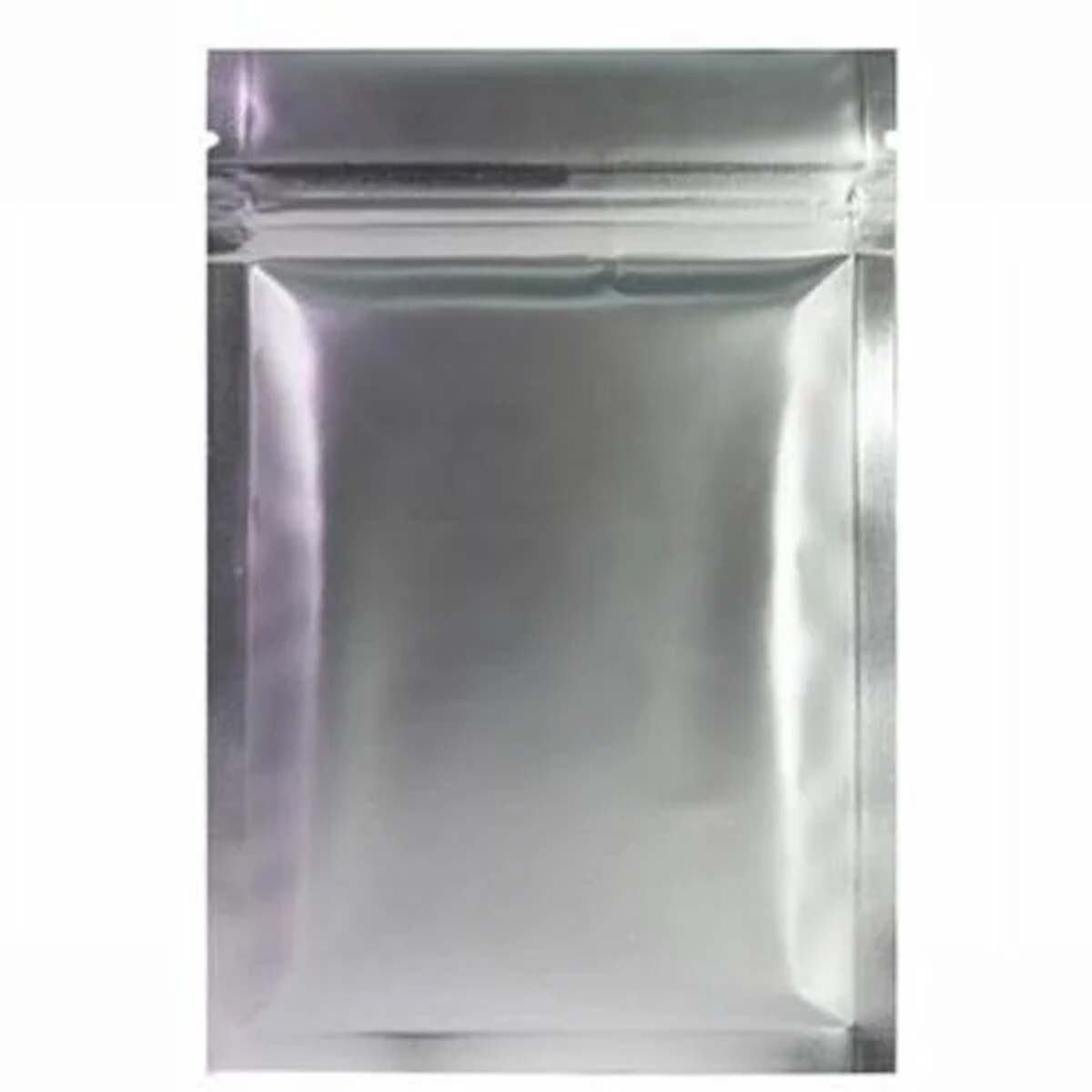
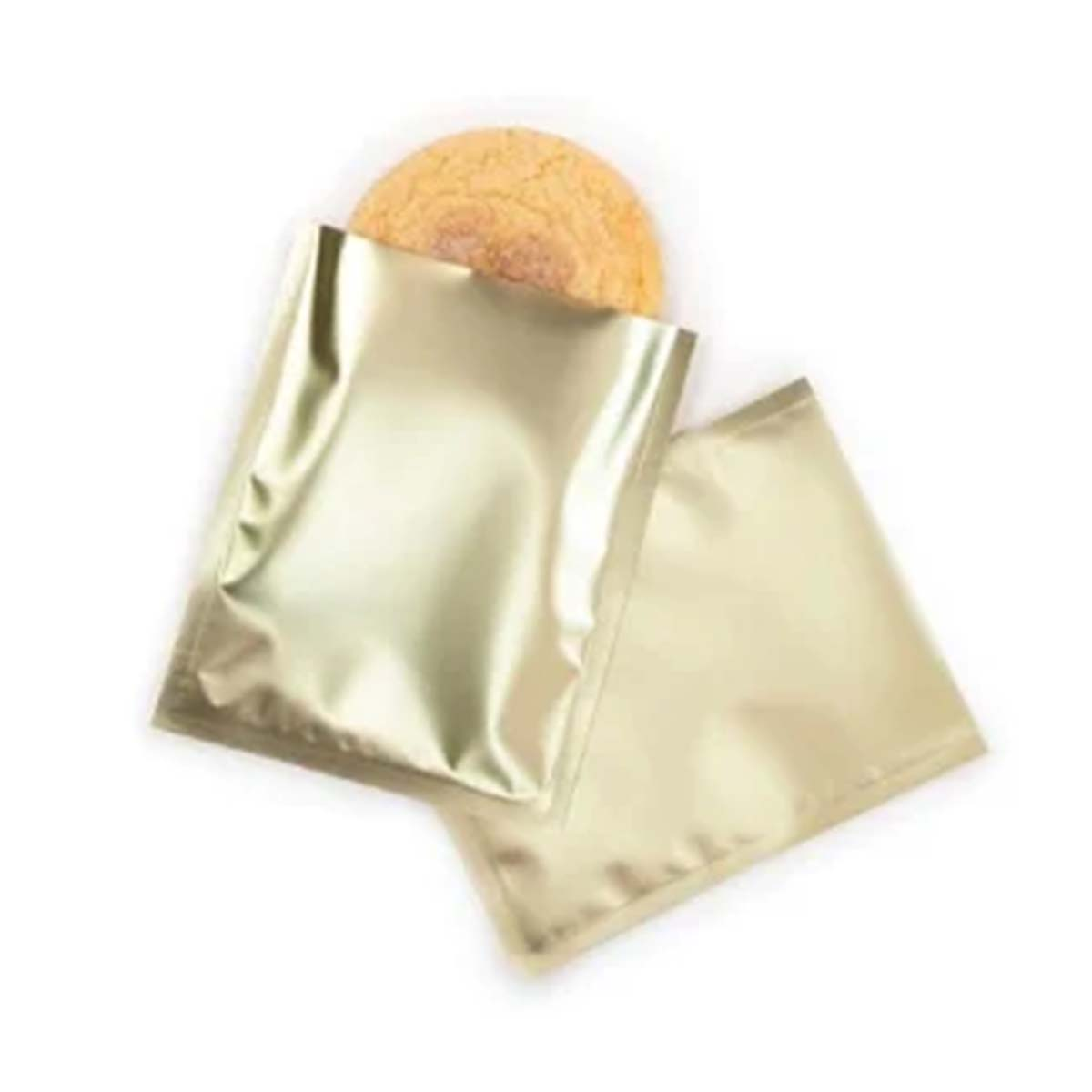
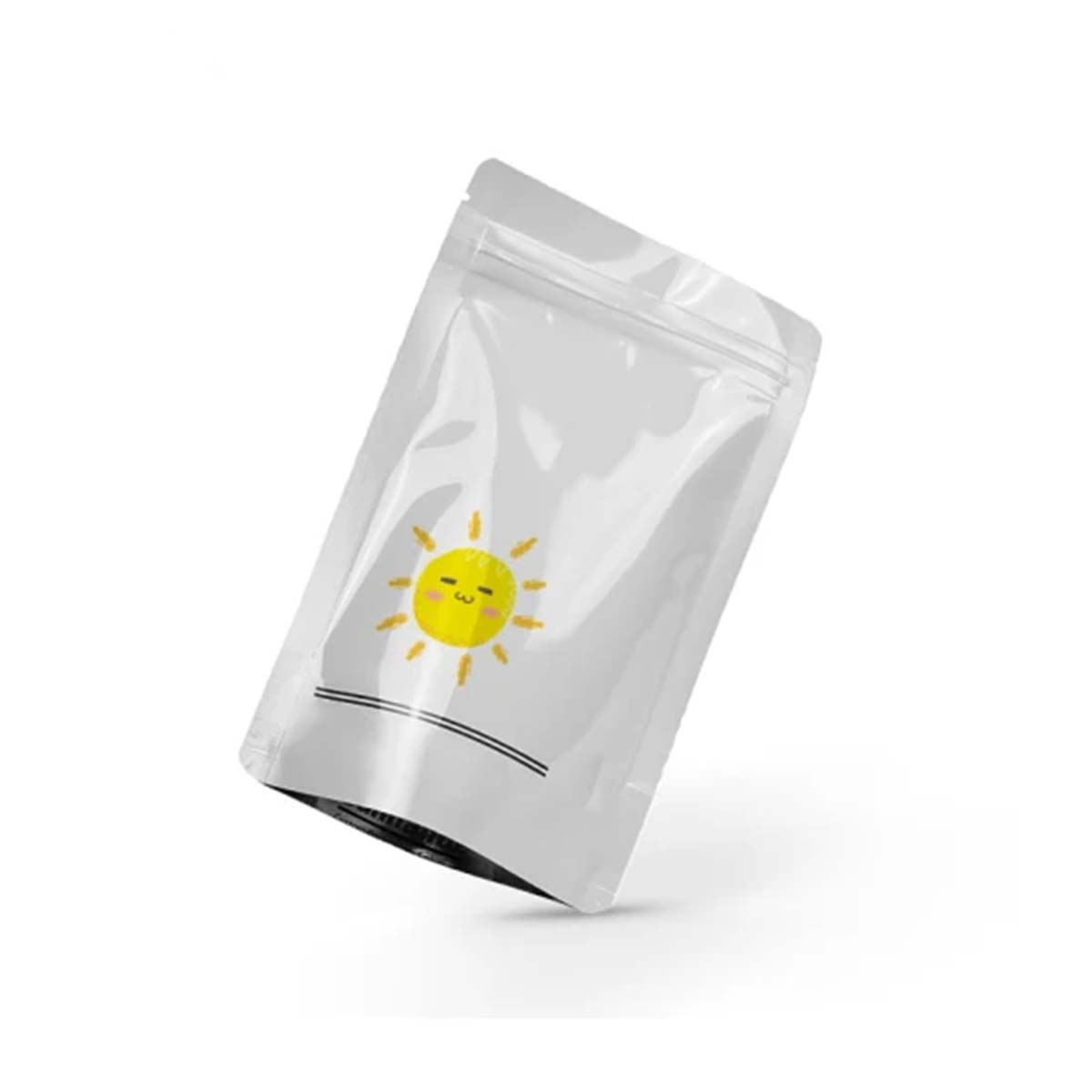
Plain Mylar Bags give businesses a clean packaging base for products that need storage support without a heavy printed design. These pouches work well for food items, pantry goods, supplements, spices, tea blends, coffee samples, dry ingredients, beauty minis, hobby items, and small kits. At Premium Mylar Bags, plain pouches can be made in custom sizes with different film choices, closure styles, and finish options.
Many buyers search for plain mylar bags wholesale because they need simple packaging that can support different products. A plain pouch gives room for labels, stickers, stamps, batch codes, and small printed details. Also, it helps businesses manage several product types without creating a new pouch design for every item.
Simple Presentation With Strong Barrier Protection
Plain Mylar pouches help keep contents protected from moisture, oxygen, light, and odor movement. The film structure can be selected according to the product type, shelf life, and storage conditions. As a result, dry food, powders, coffee, tea, herbs, and refill items can stay in a more controlled pouch format.
The plain surface also makes the bag easy to label. A business can use one pouch style and apply different labels for different products. This approach works well when product names, flavors, or batch details change often.
Helpful Features For Plain Pouch Use
Plain pouch benefits include:
- Moisture and oxygen barrier support
- Smooth surface for labels and stickers
- Heat seal area for closed packaging
- Optional zipper for repeated opening
- Flat and stand up pouch options
- Gusseted styles for higher fill volume
- Film options for storage and shipping
- Clean panels for batch details
Planning steps include:
- Confirm the product fill weight.
- Choose the pouch size and film type.
- Select heat seal, zipper, or both.
- Decide if labels or small print areas are needed.
- Review the final pouch setup before production.
Blank Mylar Bags For Labeling And Kits
Businesses that rotate flavors, seasonal items, scents, or product sizes often need packaging that can work across several product groups. The same pouch base can be used with different labels, and Blank Mylar Bags help keep stock simpler when multiple items need separate names, batch details, or product information. This setup reduces the need for a new printed pouch for every product and helps teams manage inventory with a cleaner packaging system.
This approach can work for snacks, coffee, tea, refill kits, beauty samples, supplements, craft items, and small hardware products. In addition, a blank pouch can support test batches because the label can change without changing the full pouch design.
A Flexible Route For Multi Product Teams
Multi product teams often need packaging that can change quickly. Blank pouches help because the bag stays the same while the product label changes. This is useful when stock moves fast or when new product versions need testing.
The same pouch can also reduce extra setup work. Instead of managing several printed pouch designs, teams can hold one base pouch and update only the product label.
Flexible packing points include:
- One pouch size can support several products
- Labels can change by flavor or item type
- Blank panels help reduce design clutter
- Inventory stays easier to manage
- Small runs become easier to handle
- Product testing needs fewer pouch changes
- Refill kits can use the same pouch format
- Seasonal items can use updated labels
Planning steps include:
- Choose one pouch size for related products.
- Measure label area on the front panel.
- Keep product details easy to read.
- Use batch code space on the back.
- Store blank pouches by size and closure type.
| Product Setup | Blank Pouch Role | Label Need | Best Use | Helpful Detail |
|---|---|---|---|---|
| Multi flavor items | Same pouch base | Flavor sticker | Snacks and tea | Keeps stock simple |
| Sample kits | Small blank pouch | Product label | Trial packs | Easy to update |
| Refill packs | Medium pouch | Item and weight label | Powders and dry goods | Use clear storage notes |
| Seasonal items | Shared pouch size | Seasonal sticker | Limited runs | Label can change |
| Small parts | Flat pouch | Item code label | Hobby or hardware kits | Keep barcode clean |
Use Cases And Industry Examples
Plain Mylar Bags can support many product types. They are used in food packaging, storage packaging, sample packing, refill packs, small kits, and personal care product lines. The final pouch style depends on the product weight, closure need, barrier level, and display plan.
A pouch for pantry goods may need strong sealing. Meanwhile, a pouch for samples may need a tear notch. A pouch for small refill items may need zipper closure. In each case, the bag should match the way the customer will open, store, and use the product.
Where Plain Pouches Work Well
Plain pouches work best when the product needs a clean base and simple identification. They can stay blank, carry a label, or include small printed elements. This keeps the design flexible while the pouch still supports product protection.
For example, spices may need a small heat seal pouch. Coffee samples may need stronger barrier film. Beauty minis may need a clean label area. Each product needs a pouch setup that supports real use.
Common uses include:
- Pantry goods and cereal storage
- Supplements and powders
- Spices and seasoning blends
- Tea and coffee samples
- Beauty minis and sample kits
- Hardware parts and hobby items
- Seed packets and botanicals
- Dry snack portions
Planning checklist includes:
- Lock the shelf life and barrier level.
- Decide on zipper, tear notch, or hang hole.
- Choose clear, opaque, or window format.
- Confirm thickness based on product weight.
- Add barcode, batch code, or QR area if needed.
- Approve the layout before production.
| Product Type | Suggested Pouch Style | Closure Choice | Film Need | Helpful Detail |
|---|---|---|---|---|
| Pantry goods | Medium pouch | Heat seal or zipper | Opaque barrier film | Good for dry storage |
| Supplements | Flat or stand up pouch | Zipper | Moisture control film | Use clean label space |
| Spices | Small pouch | Heat seal | Aroma support | Add tear notch |
| Tea and coffee | Small or medium pouch | Heat seal or zipper | Barrier film | Keep storage notes clear |
| Kits and parts | Flat pouch | Heat seal | Standard film | Add item code label |
General Mylar Bags And Neutral Pouch Styles
Buyers often compare plain pouches, zipper pouches, window pouches, and storage bags before deciding which format fits their product. A business may start with a blank pouch for simple packing, then move toward General Mylar Bags when it needs more flexible options across different product sizes, closures, and display needs. This helps keep the packaging plan organized when shifting from a plain pouch to a window style or zipper style without changing the full structure.
Neutral pouch styles also help teams keep products organized. A plain pouch can handle base packaging needs. A window pouch can show the product. A zipper pouch can support repeated use. On the other hand, a stand up pouch can help with shelf display.
Matching Pouch Style With Product Use
The pouch style should match how the product will be handled.
Because each product has a different use, the pouch structure should not be selected by appearance only. Storage, filling, sealing, and customer use should guide the decision.
Style choices include:
- Flat pouches for samples and small items
- Stand up pouches for shelf display
- Window pouches for product view
- Opaque pouches for light sensitive items
- Clear pouches for visible product sorting
- Zip lock pouches for repeated opening
- Heat seal pouches for closed packing
- Gusseted pouches for more fill space
Selection steps include:
- Decide how the product will be displayed.
- Choose a pouch shape.
- Select the barrier level.
- Pick closure and add ons.
- Review product fit before ordering.
| Pouch Style | Best Use | Closure Option | Product Match | Helpful Detail |
|---|---|---|---|---|
| Flat pouch | Samples and small items | Heat seal | Spices, seeds, kits | Saves space |
| Stand up pouch | Display products | Zipper or seal | Snacks and refills | Stands on shelf |
| Window pouch | Product viewing | Zipper or seal | Candy, tea, herbs | Plan window placement |
| Opaque pouch | Light sensitive items | Heat seal | Powders and dry goods | Helps block light |
| Gusseted pouch | Higher fill volume | Zipper | Bulk products | Gives more space |
Pricing And Wholesale Guidance
Plain mylar bags wholesale orders can help businesses plan regular packaging needs. Larger quantities may reduce unit cost and help keep pouch size, film, and closure style consistent across repeat runs. This is useful for businesses that pack the same product every week or month.
Cost depends on size, material, thickness, closure, finish, printing, and quantity. Blank pouches usually follow a simpler setup than full printed pouches. However, even plain bags should use the right film and seal style for the product.
How To Control Cost And Timelines
A simple pouch setup can help control cost. Keeping one size across multiple products can also reduce complexity. If a business needs several product versions, blank pouches with different labels may be easier to manage than fully printed pouches for every product.
Also, planning reorders early can help avoid stock gaps. When pouch size and film details are already approved, future orders can move with fewer changes.
Cost control points include:
- Use one pouch size across similar items
- Keep artwork minimal when possible
- Use labels for changing product versions
- Choose film thickness based on actual product weight
- Avoid over sizing the pouch
- Confirm quantity before production
- Plan reorders before stock runs low
- Keep closure style consistent for related items
Planning steps include:
- Review product groups that can share one pouch.
- Select a film that matches storage needs.
- Choose a practical closure style.
- Decide whether labels or small print areas are needed.
- Order a quantity that matches stock movement.
| Cost Factor | What Affects It | Practical Choice | Best Use | Helpful Note |
|---|---|---|---|---|
| Size | Width and height | Match product volume | All pouch types | Avoid extra empty space |
| Film | Barrier level and material | Choose by shelf life | Food and storage goods | Do not overbuild if not needed |
| Thickness | Mil level | Match product weight | Light or heavy fills | Heavier products need stronger film |
| Closure | Zip, heat seal, both | Match customer use | Repeat or single use | Decide early |
| Quantity | Order volume | Plan by usage | Wholesale orders | Keep storage space in mind |
Service Details For Plain Mylar Bags
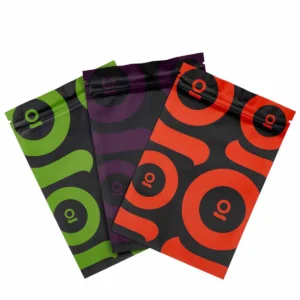
Plain Mylar Bags can be made in custom sizes and styles based on the product. Coating choices include Gloss, Matte, and Spot UV when printing or selected finish areas are needed. Material and printing options can support both blank pouches and lightly printed pouches.
Order details play an important role in accurate pouch planning, especially when size, film type, closure style, and quantity need to match the product use. Design setup, dieline preparation, and shipping planning through Premium Mylar Bags can be arranged based on the shared order details. The process works best when the product fill weight, target dimensions, preferred film, closure style, and quantity are provided clearly before production begins.
Details Needed Before Production
Before production starts, each pouch detail should be reviewed. Size affects product fit. Film affects storage support. Closure affects user handling. Finish affects appearance. Quantity affects planning and timeline.
Therefore, the order should include clear product information. This helps reduce back and forth changes before production begins.
Details to prepare include:
- Fill weight and product type
- Target pouch dimensions
- Preferred film type
- Film thickness
- Heat seal or zipper closure
- Tear notch or hang hole need
- Label or print area
- Quantity and delivery plan
Order steps include:
- Share the fill weight and dimensions.
- Choose the film and closure style.
- Confirm blank, label ready, or printed format.
- Review the dieline or proof.
- Confirm production timing and shipping details.